
Connecting Networks: MHP & FGX

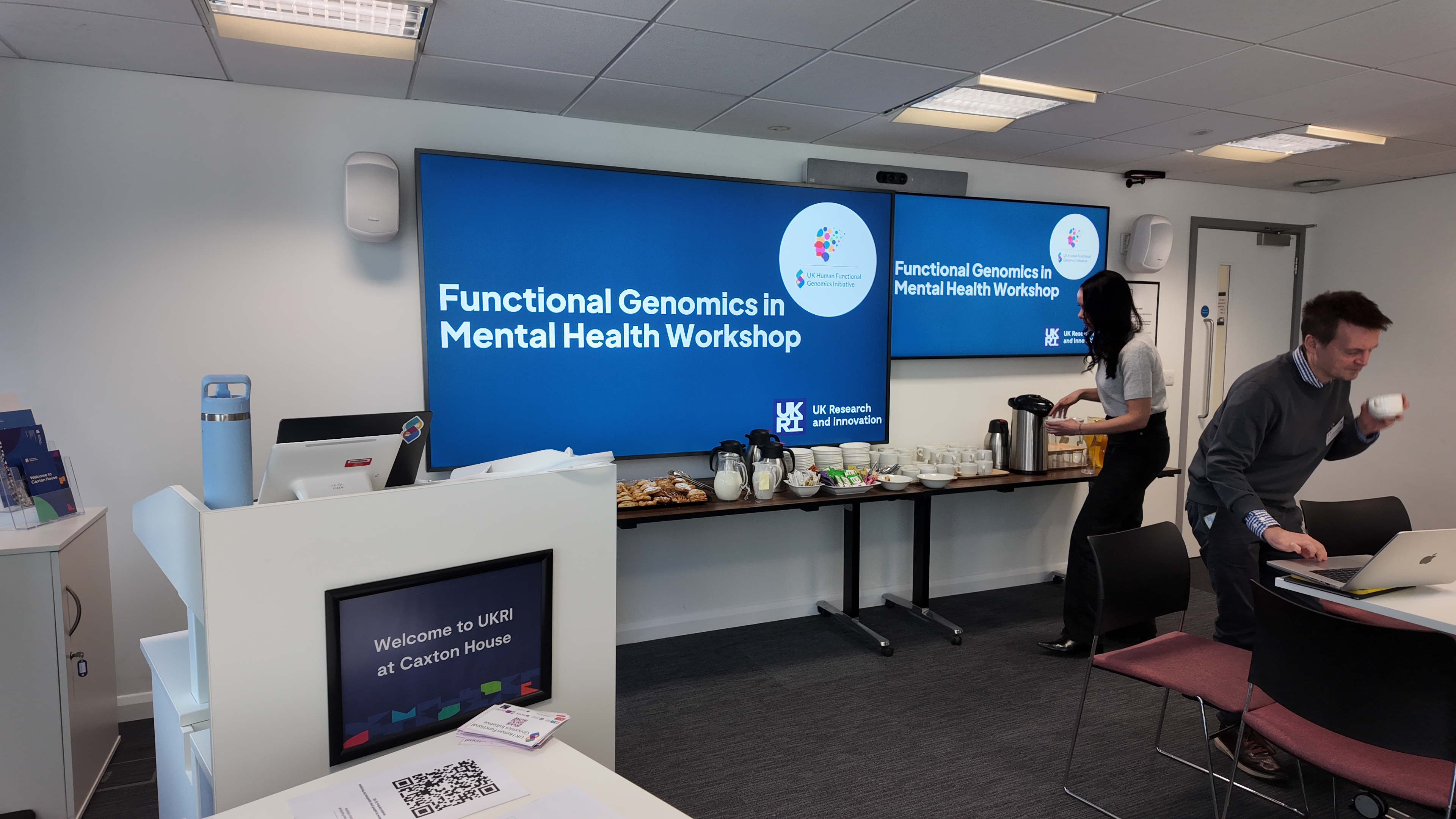
The UK Human Functional Genomics Initiative and the UKRI Mental Health Platform met at an in-person event as they embark on a developing partnership.
Uniting multi-disciplinary research approaches has the potential to accelerate our understanding of health and illness. UKRI have recently funded two UK-wide initiatives, both with this aim. The Mental Health Platform (MHP) for severe mental illness, and UK Human Functional Genomics Initiative (FGx) to understand the functional consequences of disease-associated genetic variation.
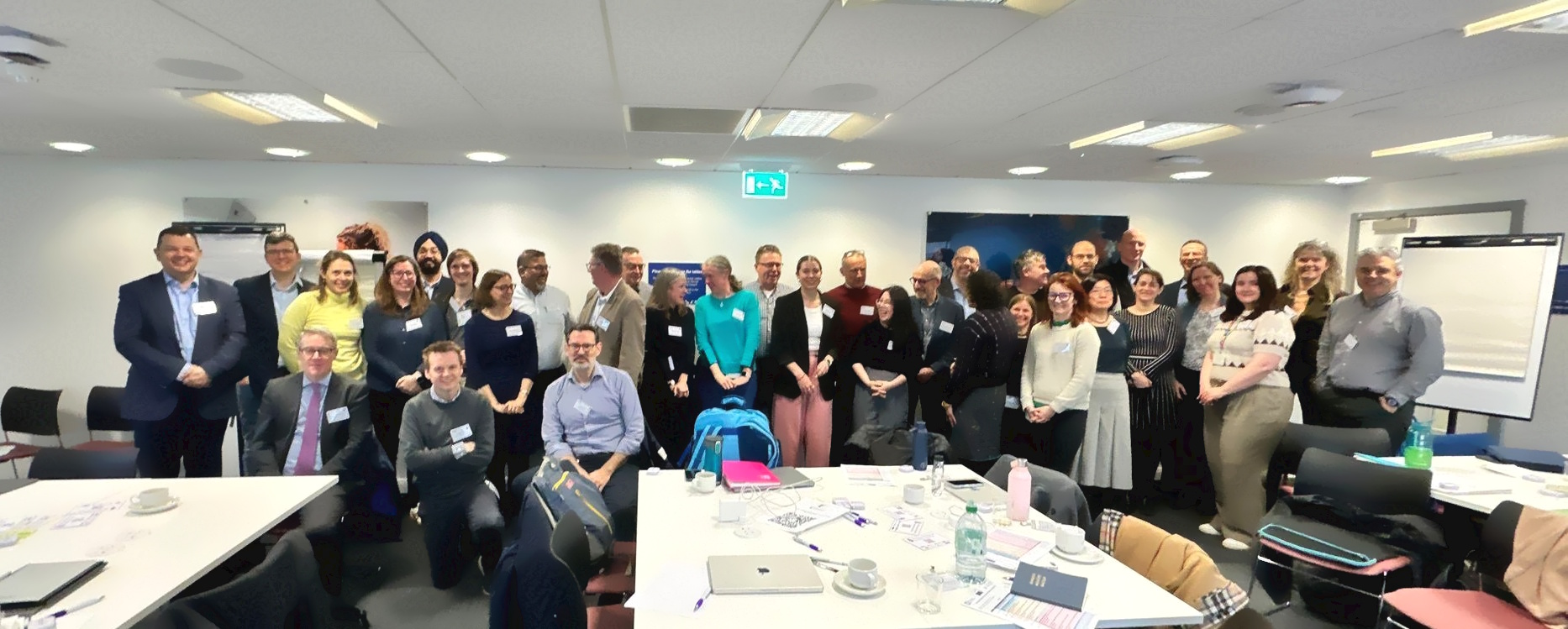
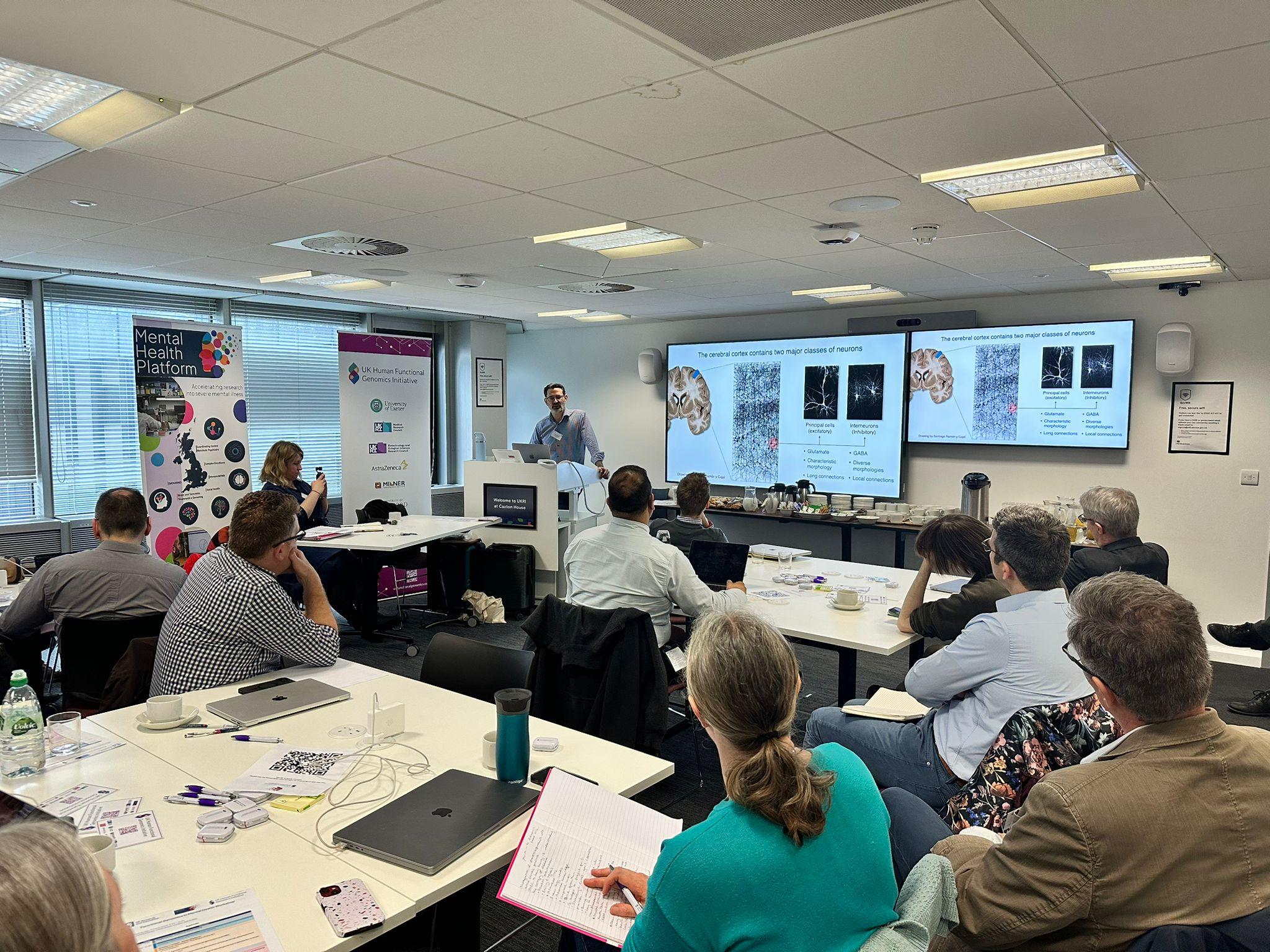
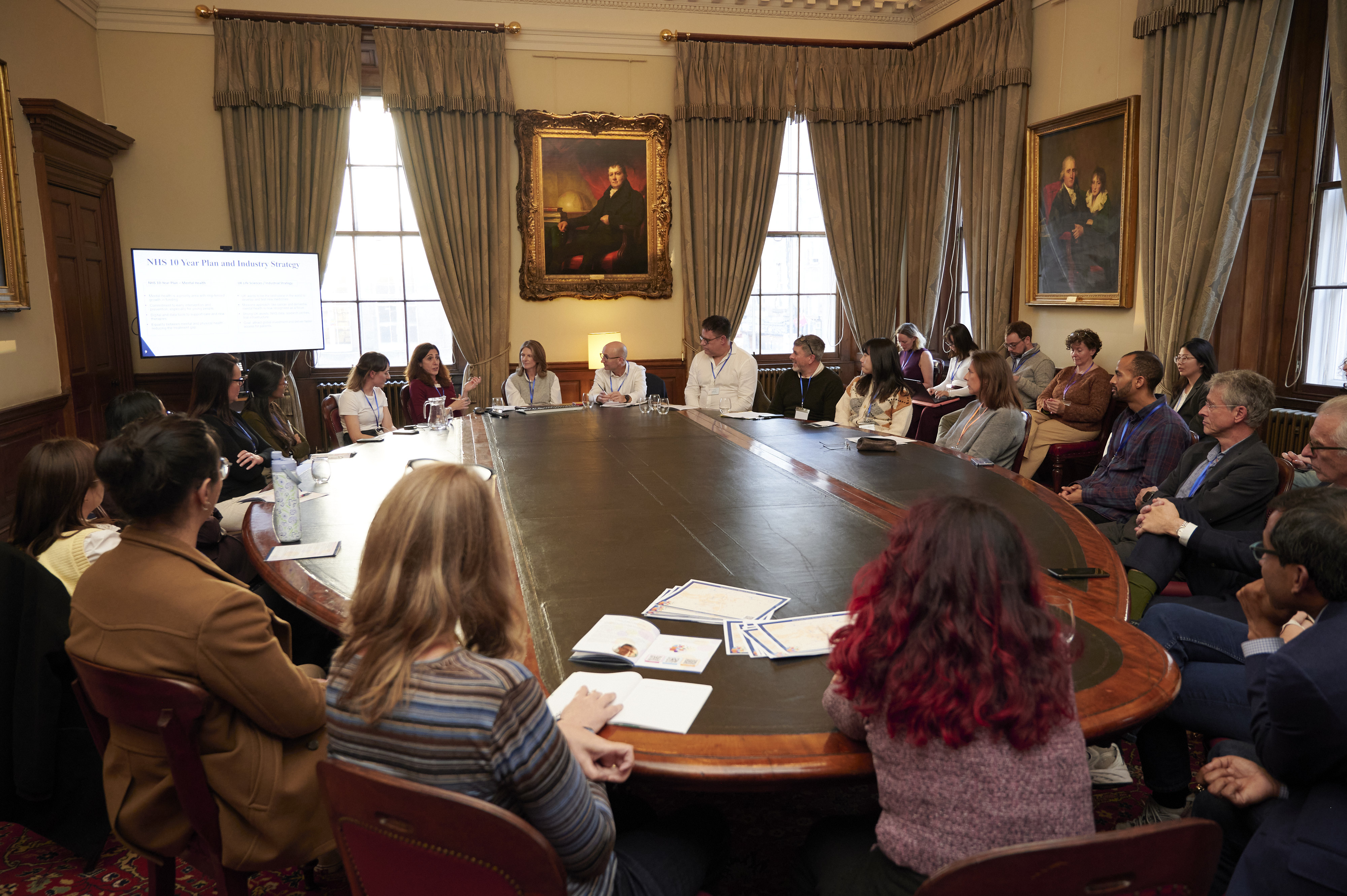
In parallel, these growing networks are connecting research hubs or clusters with each other, and with underpinning data centres. Both networks are supporting partnerships between leading researchers, clinicians and industry, with the same belief that this approach will lead to better diagnosis and treatments for people across the world. In March 2026, scientists from the two came together for an in-person meeting in London.
Greater than the sum of our parts
Joining the two networks together was an opportunity for the researchers from the MHP and FGx to connect and collaborate with colleagues outside their field. When the two groups met in person, the conversation centred on what we can learn from each other, and where cross-platform ideas can develop. The overarching goal of the day was to explore how functional genomics approaches could be applied to help understand mental illness.
One speaker from MRC said “We are committed to bringing these communities together”, adding they “recognise the need for MRC to back this type of fundamental mechanistic research”. This was echoed by a speaker from Wellcome who commented on the “value of mechanistic research” and highlighting the recent advances arising from the Psychiatric Genomics Consortium.
Learning from each other
Without a doubt, both platforms face shared challenges of bringing together researchers separated by distance, by scientific focus and techniques. But turning these differences into strengths is the goal of each platform.
When different areas of specific research were discussed at the meeting, it highlighted the breadth of research both within each platform and across both. Identifying emerging themes at the meeting also revealed opportunities for groups can work more productively with each other. Indeed, one researcher said, “Advances often arise at the intersection of different disciplines.”
Overlapping themes identified were:
- How understanding gene function might lead to new insights into mechanisms and potential new drugs
- The intersection of lived experience with research, with the necessity of building trust and ensuring evidence.
- Capacity challenges and how working together can reduce duplication
- Improving the relevance of the models used in the lab to study SMI
Technology drives innovation
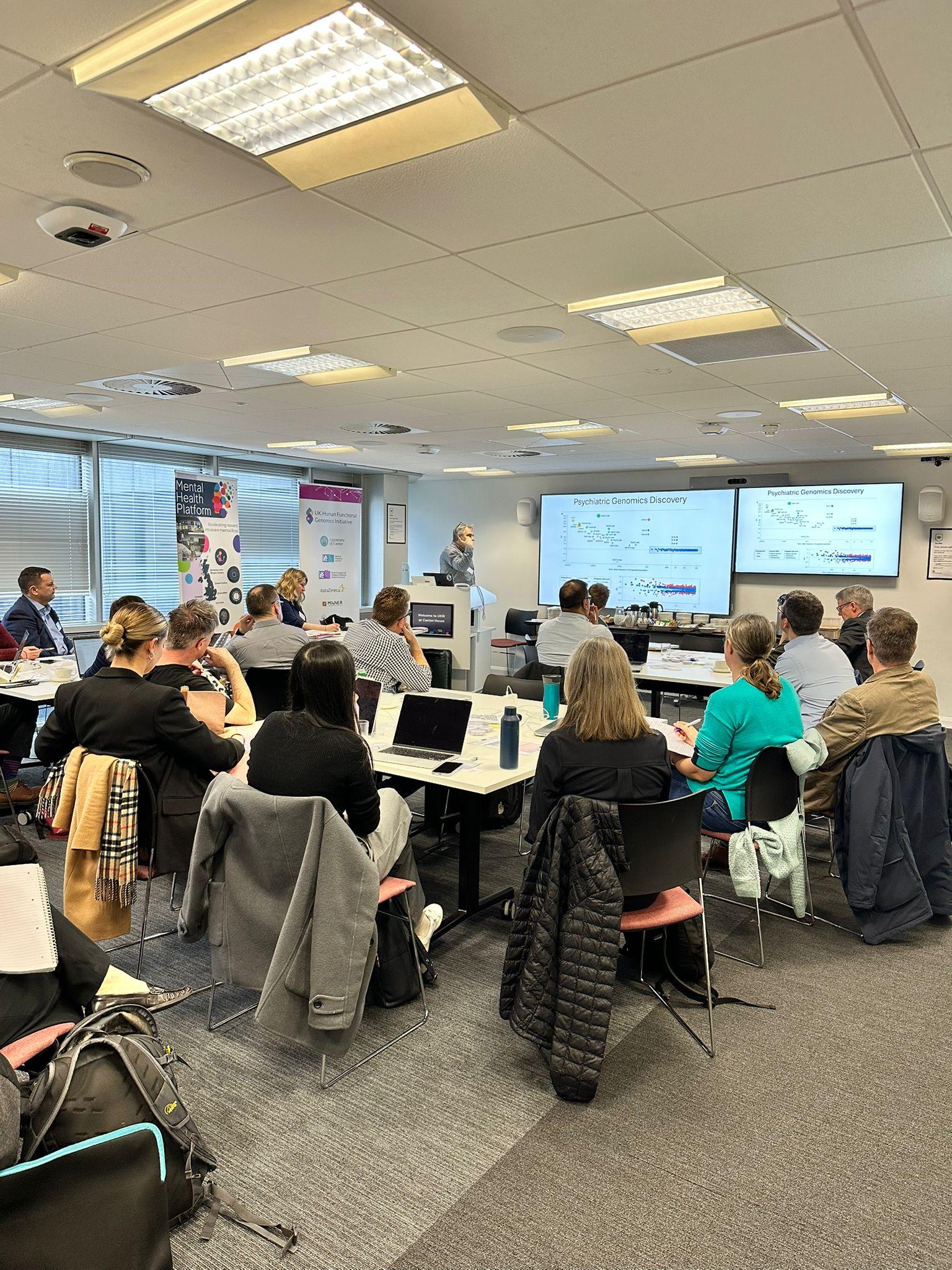
Some of the challenges are scientific, rather than logistical. Conditions such as bipolar, schizophrenia and major depression are challenging to study as they have overlapping causes and symptoms.
Researchers at the meeting agreed that the rapid advance in genetics over the past two decades has revealed many insights, including the identification of genes linked to the conditions. As technology advances, so will our understanding.
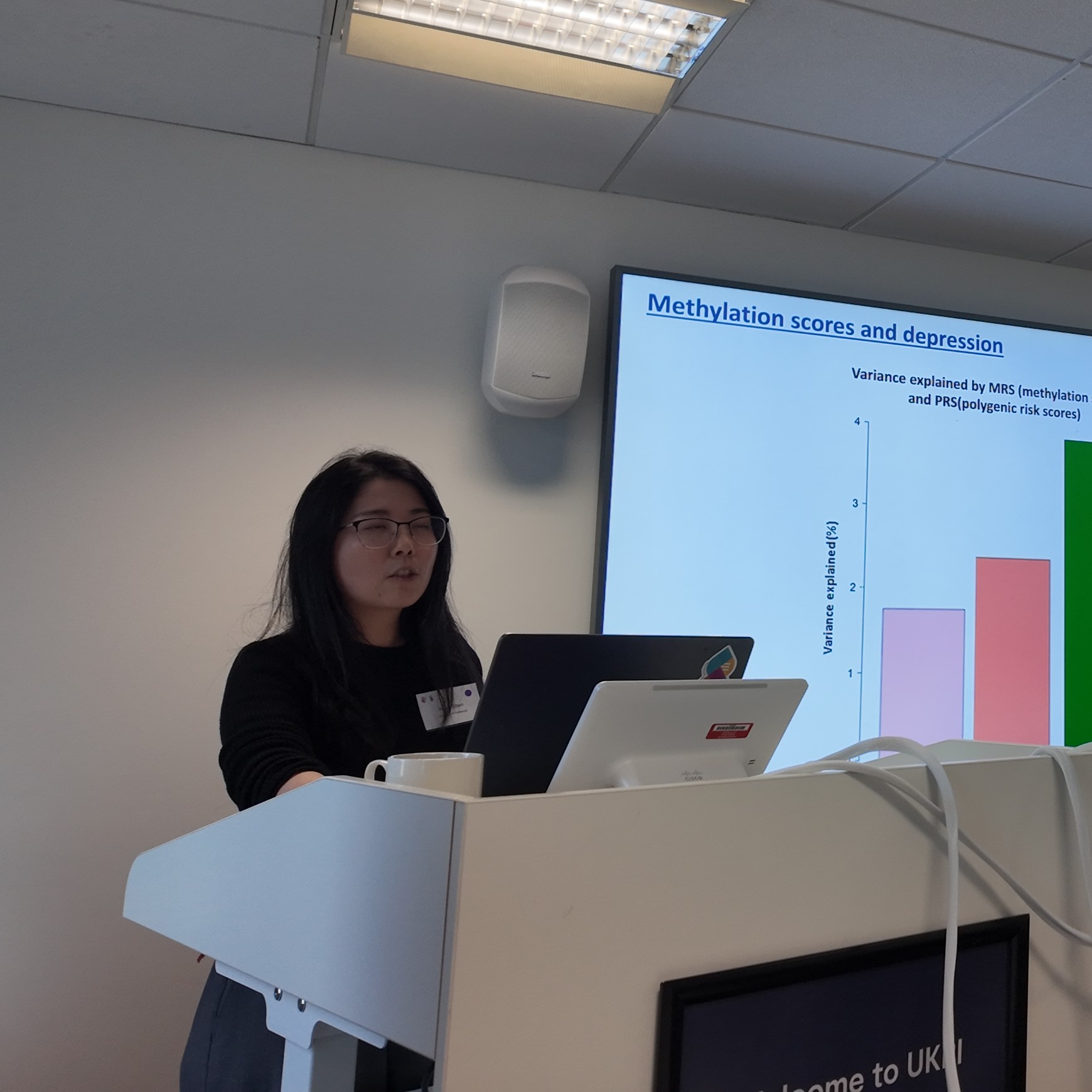
One talk discussed DNA methylation, a type of epigenetic change linked to SMI, suggesting “Novel molecular findings can help us to understand major depression and identify new treatments”.
More data or more analysis?
A key underpinning element of both MHP and FGX is the sharing of data, with the HDR UK mental health data hub DATAMIND as one of the six Hubs of the MHP, and the Data Coordination Centre for FGx.
Research has generated a huge amount of data in both fields already, but much is inaccessible - or “sitting on someone’s hard drive”, as one attendee joked. Bringing it together in a shared space with the DATAMIND Trusted Research Environment or the Data Coordination Centre could truly revolutionise the fields. Making existing data accessible – with the owner’s consent – means new research with no new data collection phase, potentially fast-tracking findings.
A major challenge to progress is the vast and varied amount of data. Another is the lack of laboratory or other investigations on which to divide people with SMI into discrete groups based on cause. So, researchers at the meeting discussed the usefulness of symptom-based or molecular stratification, grouping individuals into more homogenous groups based on their common causes.
However, in the case of diverse human data we do in fact need to collect more. Referring particularly to large-scale population genetic studies, one speaker said “We need there to be diversity from our samples… at the moment we fail on this.”
This was supported in a later talk discussing the Global Minds initiative, where it was commented “Africa is one of the most genetically diverse population but 80% of our studies are in European populations”. It was broadly agreed that more funding should focus on collecting this diverse data. And, when new data is collected, it should be in a way that is consistent with other data collections. Then, the data needs to be properly annotated so others can make sense of it.
This is another strength of uniting the MHP and FGx, so they can agree on common approaches to data collection.
What’s next?
Attendees at the meeting not only left with a better appreciation for how their work fits into the wider research landscape but with new contacts and ideas for their current and future projects.
“It’s going to be very difficult solving severe mental illness one institution at a time”, said one researcher, acknowledging the need for more collaboration - the day closed with calls for a future joint meeting.
Responsible industry–academic collaboration
Industry Forum November 2026
