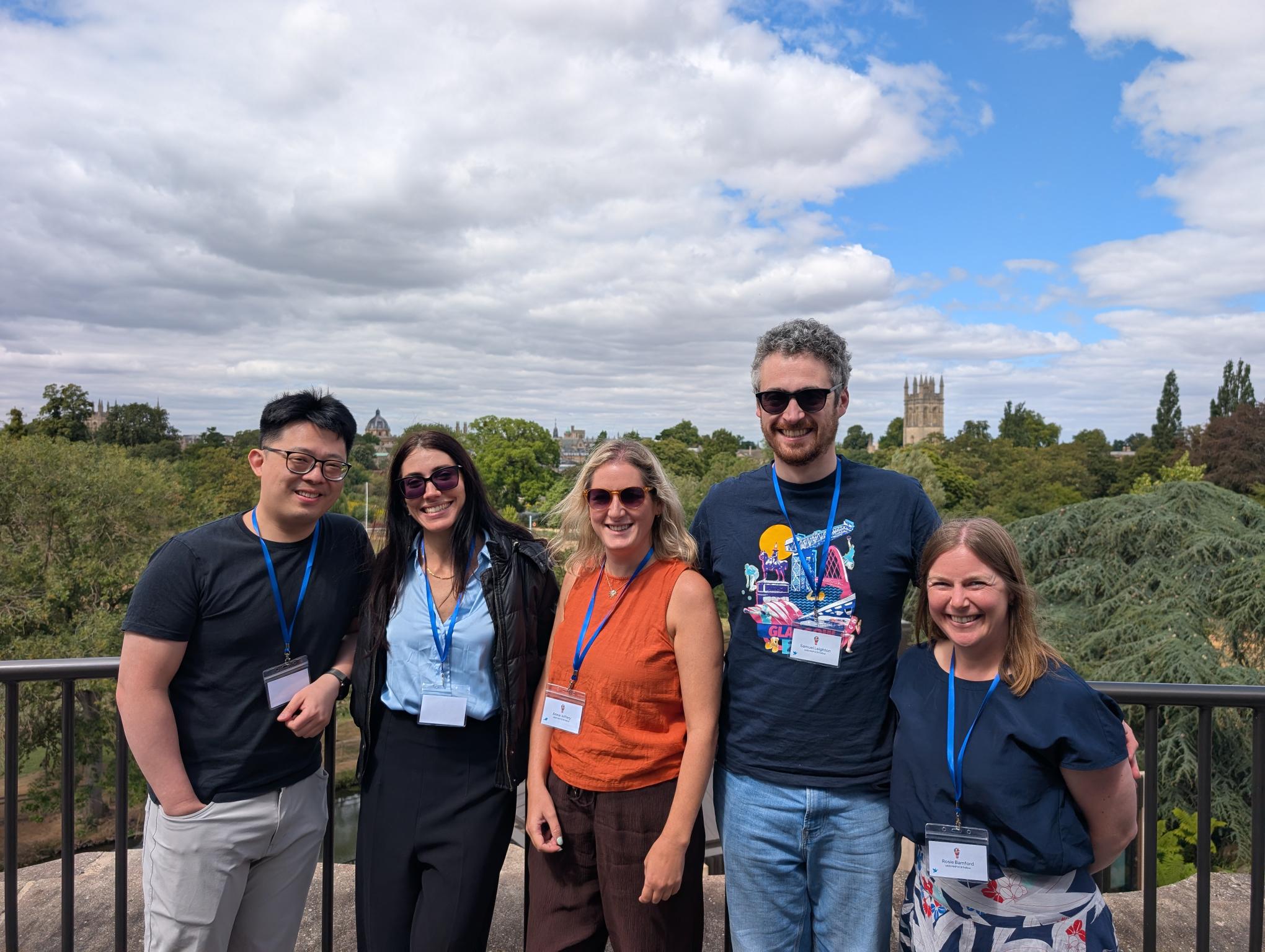
Meet our Cross-Hub Research Fellow Rosie
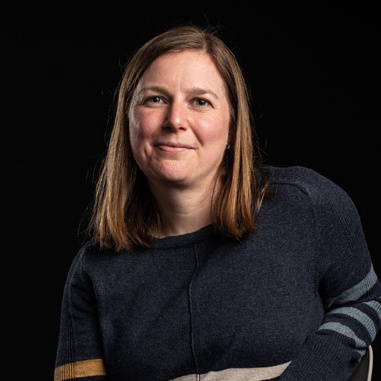
Dr Rosemary Bamford is a neuroscientist specialising in next generation sequencing technologies, which she currently applies to study neuropsychiatric disorders in human brain samples.
Rosie is one of the recipients of the MHP Early Career Researcher Fellowship Awards, which aim to help develop future leaders in SMI research. Her project will focus on genetics of SMI, and will bring together Brain & Genomics, ImmunoMIND and DATAMIND. She tells us more about her work and hopes for the project.
DNA and SMI
We know that variations in a person’s genes can play a role in the risk of developing severe mental illness (SMI) and may also influence symptoms. The main aim of my Mental Health Platform project is to find new genetic variants linked to SMI.
The Brain and Genomics Hub are collecting blood samples from individuals with SMI, and profiling the DNA and RNA extracted from each participant. This DNA profile is known as the genome and provides instructions to generate RNA. In my research, I will look at regions of the DNA and RNA that have never been studied for individuals with SMI.
New tools
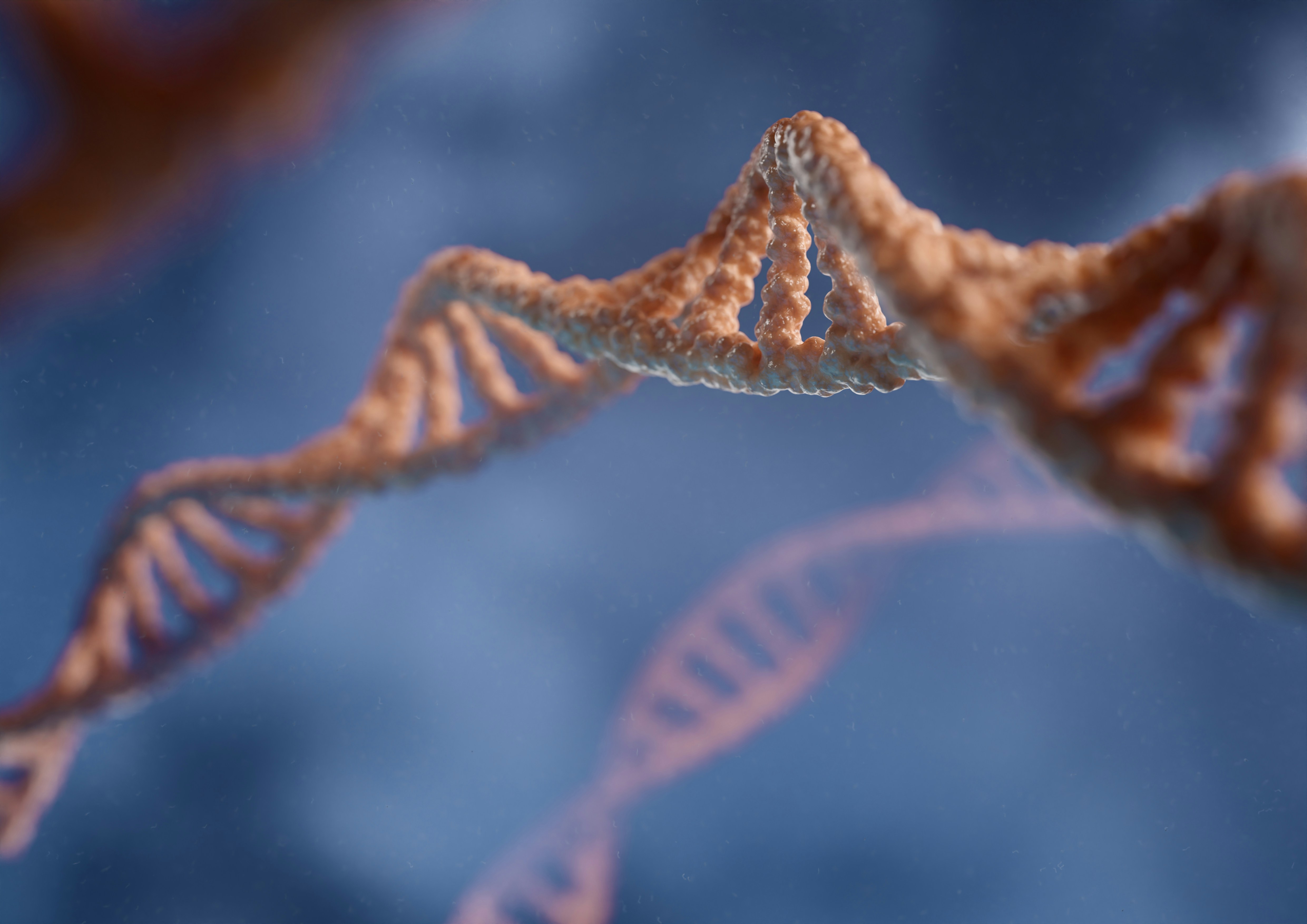
I will use a relatively new technique called Oxford Nanopore Technologies (ONT) sequencing. This reads DNA or RNA by pulling genetic material through a tiny hole (a nanopore) and measuring the changes in electrical signal as it passes. The computer software then translates the changes in current into a DNA or RNA sequence I can further analyse. I can use this technique to read long stretches of DNA or RNA and to identify small variations.
This long-read sequencing technology has not previously been used at this scale to investigate the genetics of individuals with SMI.
Finally, I’ll use another set of techniques to get a deeper look at gene activity in individual blood cells, to see if the genetic variations are more associated with certain cell types than others. I will use this new information about the DNA and RNA to predict how the body will be affected in terms of SMI and its symptoms.
Working with others
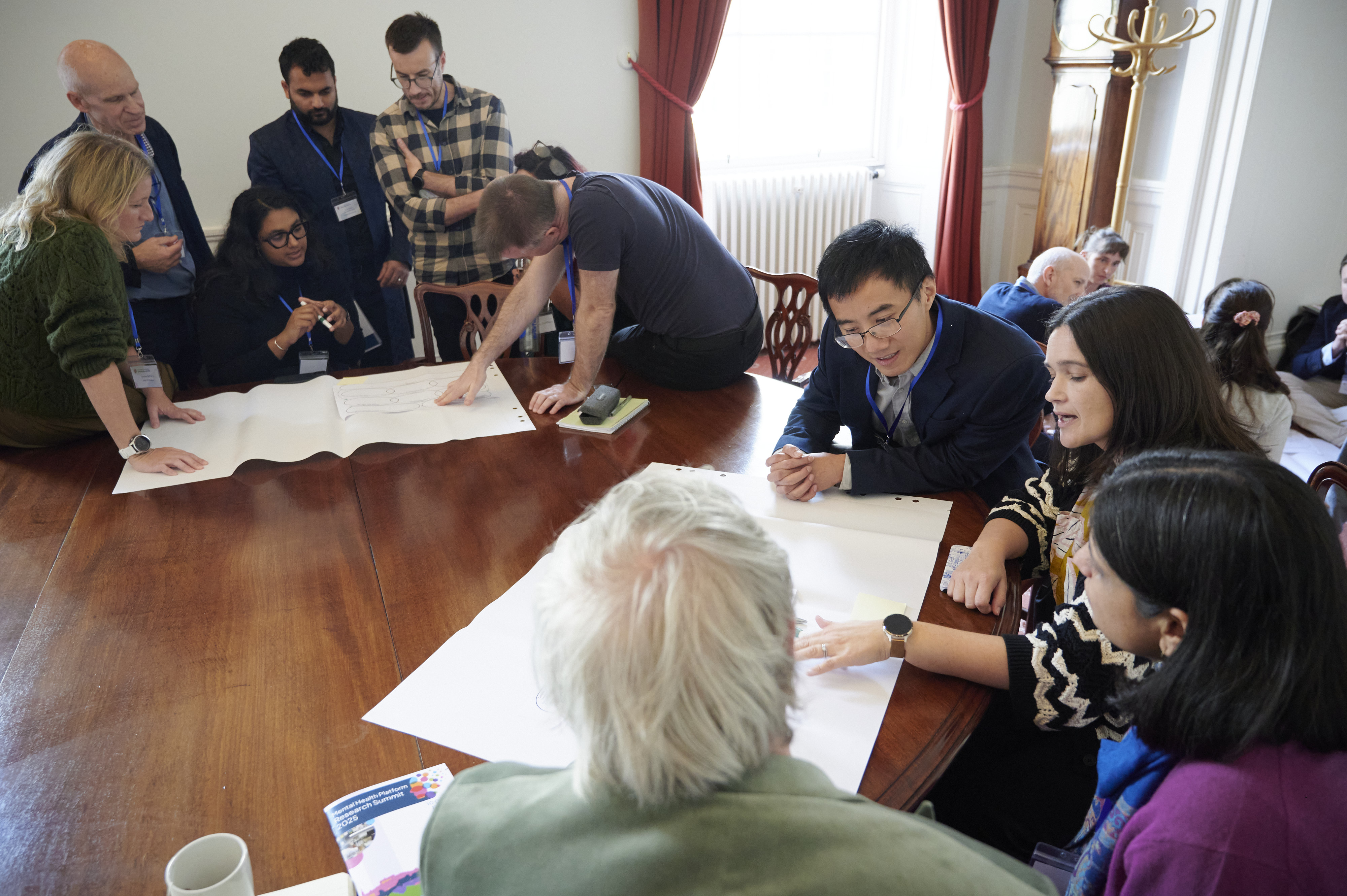
I have a multi-disciplinary background and find collaboration the best approach to tackle projects. I am excited to be working across three Mental Health Platform hubs during my Fellowship (Brain & Genomics, ImmunoMIND and DATAMIND) with world-leading researchers. I am also going to utilise the wider network of researchers I already collaborate with on existing projects.
Both research and funding for SMI are lacking, which is why working together is crucial so we make the best use of our resources.
My hopes
The main result of my project will be a list of known and newly discovered genetic variations found in parts of the genome that have potential downstream effects on SMI. Finding these specific genetic variants that underlie SMI can give us new clues about how these conditions develop.
This information could help individuals with SMI, and their families, understand any possible genetic causes of their SMI.
This is important to design better treatments in the future. For example, it could be used to design new diagnostic tools for early diagnosis.
What does this mean for people with SMI?
My goal is to provide people with lived experience of SMI and anyone affected with more information to support them and inform best treatments.
The genetic differences identified in my project could provide potential causal explanations for SMI. This could lead to identifying novel biomarkers for early diagnosis and therapeutic targets for new treatments.
I hope that the scientific outputs of the MHP will result in further research funding into this important area. I would like to see more translational research in the future, working with industry partners to make these goals a reality. But equally important, I hope that MHP dissemination will result in increased awareness of SMI.
More about me
Outside of work I enjoy trail running or walking in the Devon countryside. Usually with a cream tea at the end!



Research focus: Reproductive Psychiatry
Drug for rheumatoid arthritis may reduce risk of psychosis