
Author name:
Dr Samuel Leighton
Institution name: University of Edinburgh and Leverndale Hospital, Glasgow
Published 21 April 2026
Meet our Cross-Hub Research Fellow Sam
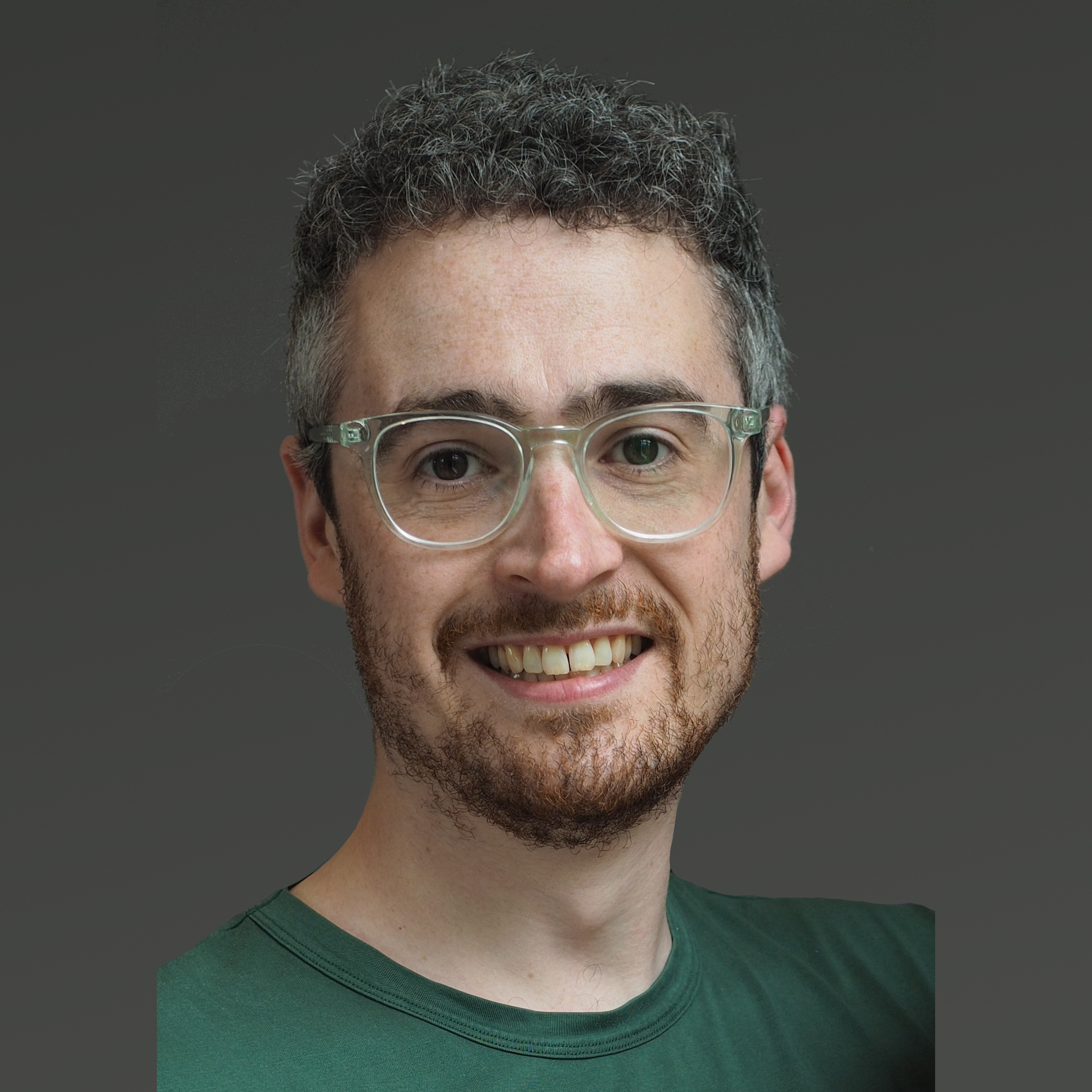
Dr Samuel Leighton is an academic consultant psychiatrist at the University of Edinburgh who works clinically at Leverndale Hospital, Glasgow.
Sam is one of the first recipients of the MHP Early Career Researcher Fellowship Awards, which aim to help develop future leaders in SMI research. His research interests are in using causal machine learning to predict physical health outcomes in people with psychosis. His project aims to understand and address early weight gain to prevent long-term obesity and related health issues and will bring together ImmunoMIND and Metabolic Psychiatry. Here he tells us why this is important for people with SMI.
Psychosis and obesity
Psychosis is a part of mental illness where individuals interpret or perceive reality differently, experiencing muddled thoughts or seeing/hearing things others do not. Unfortunately, research shows people with psychosis can die up to 15 years before those without it, mainly due to preventable health issues like heart disease, stroke, and diabetes.
Obesity is a major factor in these same health issues and is more common in people with psychosis, partly because of antipsychotic medications. Weight gain starts early in treatment and may be related to changes in the immune system or how the body responds to insulin, a hormone that controls blood sugar levels.

Currently, people with psychosis are offered the same standard treatments for managing obesity, if any are offered at all. Precision medicine, which tailors treatments to individuals, could offer a solution. It can be developed by using prediction models.
Prediction models
A prediction model is a set of rules that forecasts (models) an individual’s risk of something happening in the future, based on a set of risk factors.
However, just because two things often happen together, like more people wearing sunglasses and increased ice-cream sales, does not mean one causes the other; they may share a common cause, like sunny weather.
Current prediction models do not focus on including risk factors that are causes of what they predict.
Precision medicine
Precision medicine requires identifying the specific treatments most likely to benefit a given patient. Without understanding causal mechanisms, models can create biases or even lead to harmful clinical decisions. Specifically, they risk misinterpreting patients who benefited from protective interventions as naturally 'low-risk,' which can result in denying necessary treatments to new patients with similar profiles.
We know that every individual responds to treatment differently. However, current treatments are recommended based on how they work on average across the population. Using existing models to predict a patient has an 80% risk of an adverse outcome like obesity might increase clinical urgency. But, it doesn’t tell you which intervention will actually change that trajectory for that specific individual, at this time.
My research
I will work with people with real-life experience to create prediction models based on causes, which can account for individual differences in treatment responses.
I aim to improve how healthcare professionals help people with psychosis choose their treatments for obesity, including testing new treatment options, and to advance the prediction modelling field.
My main motivation to incorporate causal inference into prediction modelling is that current prediction models are not fully actionable for individuals. They predict risks, but do not lead to personalised treatment interventions; rather, current treatments are generic and unrelated to the risk prediction.
I recently published a preliminary feasibility study in the British Journal of Psychiatry demonstrating the potential utility of these new causal prediction methodologies for obesity in early psychosis
More about me
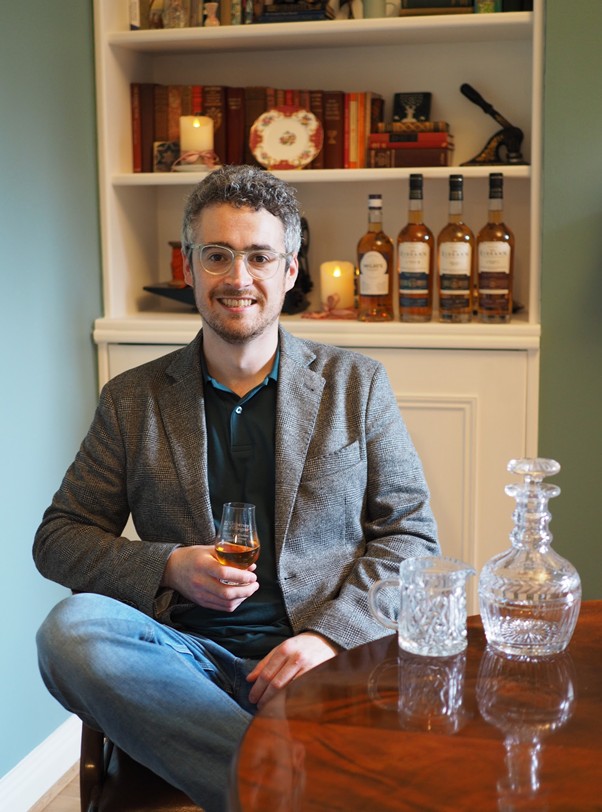
Outside my clinical work, I am deeply embedded in the Scotch Whisky industry. In 2020, I cofounded Ben Èideann Limited, a Kosher Scotch Whisky independent bottler. Our Kosher single malt and blended Scotch Whisky brands now total annual sales of 50,000 bottles globally. In 2025, we branched out to start offering Scotch Whisky casks as an alternate investment and founded Cask Flow.
Looking to the future
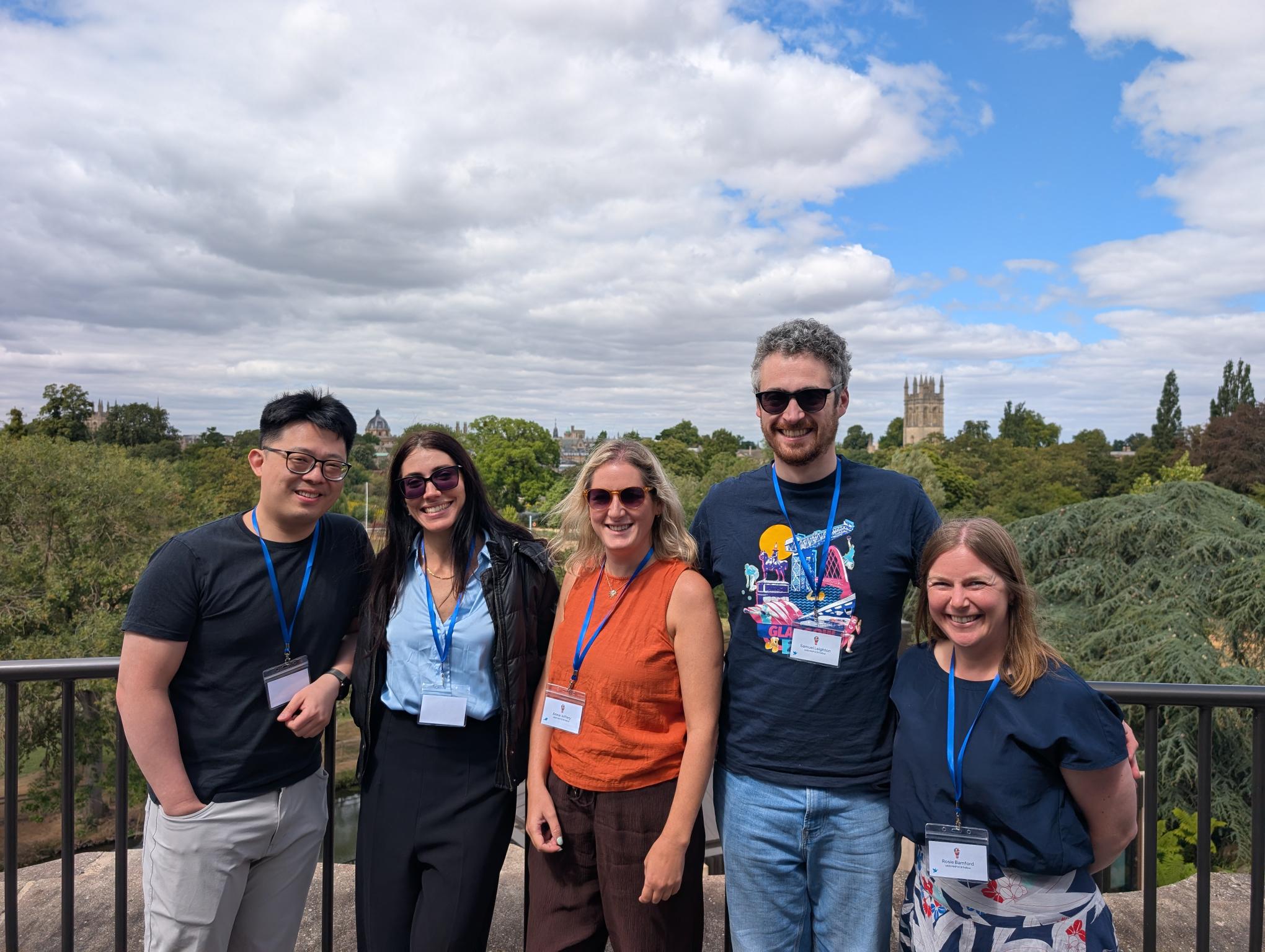
Some of the best advice I received was not to be disheartened by repeated grant or fellowship application failures. Keep trying and improving your application. Eventually you will be rewarded with success. Now, I collaborate with researchers across the Mental Health Platform and have strong collaborations outside of psychiatry too.
True precision psychiatry is about changing trajectories, not just predicting them. We need a shift toward models that estimate individual treatment effects. Ultimately, our goal should be to answer the fundamental clinical question: “What should we do for this person, now?”

Published 11 September 2026
Research focus: Reproductive Psychiatry
PPIE Network member Sadia Mir reflects on her discussion about the rise of research for women’s health with Dr Katie Marwick, who specialises in reproductive psychiatry across the life course.

Published 26 August 2026
Drug for rheumatoid arthritis may reduce risk of psychosis
Dr Fabiana Corsi-Zuelli, MHP ECR Fellow, has published a paper showing potential for an existing drug, already in use as a treatment for rheumatoid arthritis, to be repurposed for psychosis prevention.

Published 24 August 2026
Creative Connections 2026
On 2 September 2026, MHP delivered the Creative Connections Workshop online in partnership with the Economic and Social Research Council (ESRC) and the Arts and Humanities Research Council (AHRC).