
Author name:
Rachel Hastings-Caplan
Published 29 October 2026
Rethinking Artificial Intelligence: MHP Research Summit 2026
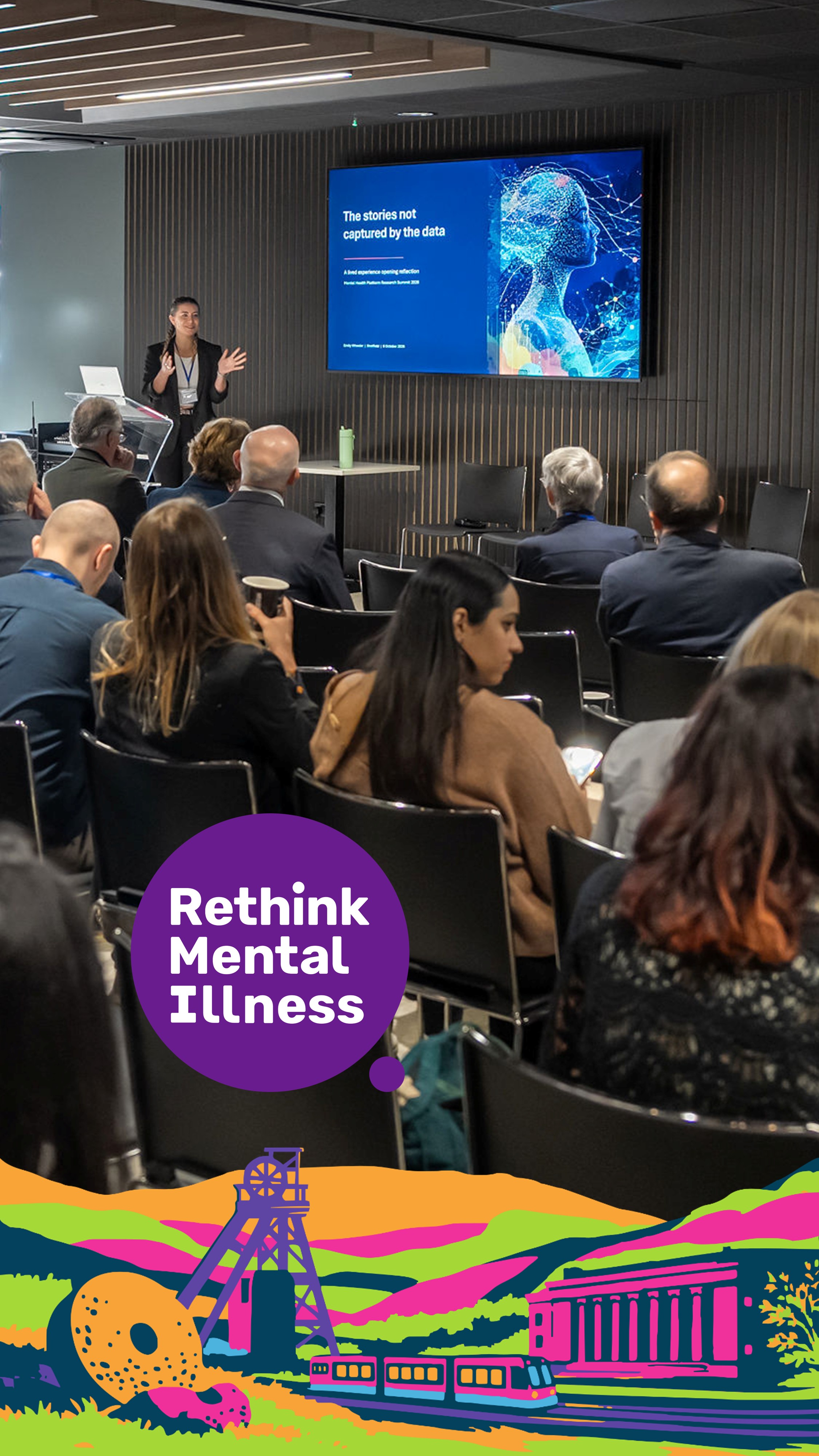
Rachel Hastings-Caplan is Policy Manager at Rethink Mental Illness, and shares her experience being a part of the MHP Research Summit 2026 in Sheffield.
To deliver mental health research that genuinely transforms people's experiences of care, we need stronger collaboration between researchers, people living with mental illness, and the organisations that support them. The voluntary and charity sector has a vital role to play, not only in ensuring that people with lived experience help shape research priorities and design, but also in supporting research to achieve meaningful impact and amplify findings that can improve care.
With this in mind, I was delighted to attend the Mental Health Platform Research Summit, representing Rethink Mental Illness's perspectives on AI and mental health research while learning from a range of important studies across different disciplines.
One of the most striking aspects of the summit was the prominence of both lived experience contributors and early-career researchers.
Ensuring that diverse perspectives are heard is essential, whether from research partners with lived experience, those beginning their research careers, or organisations representing the people research is ultimately intended to benefit.
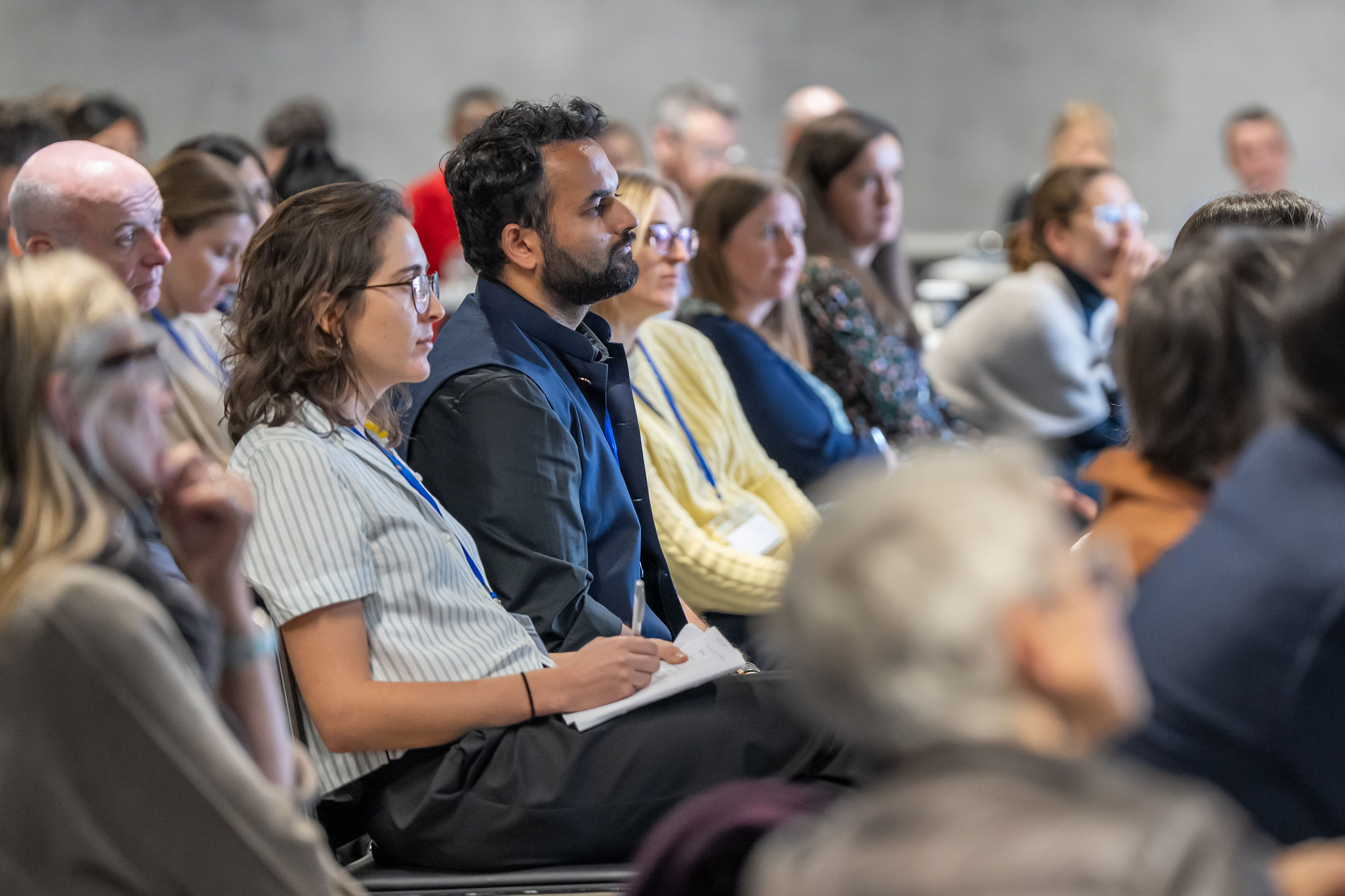
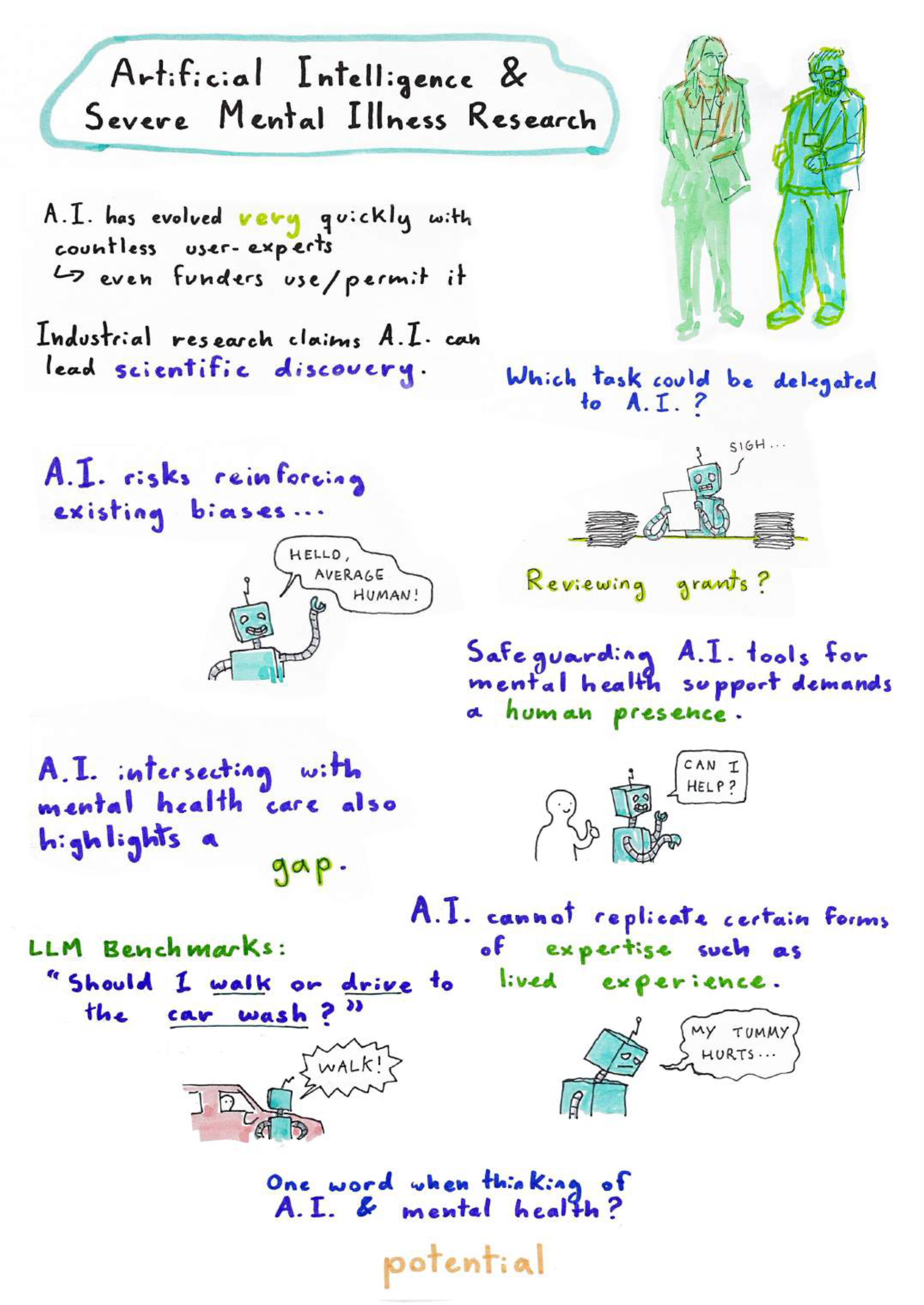
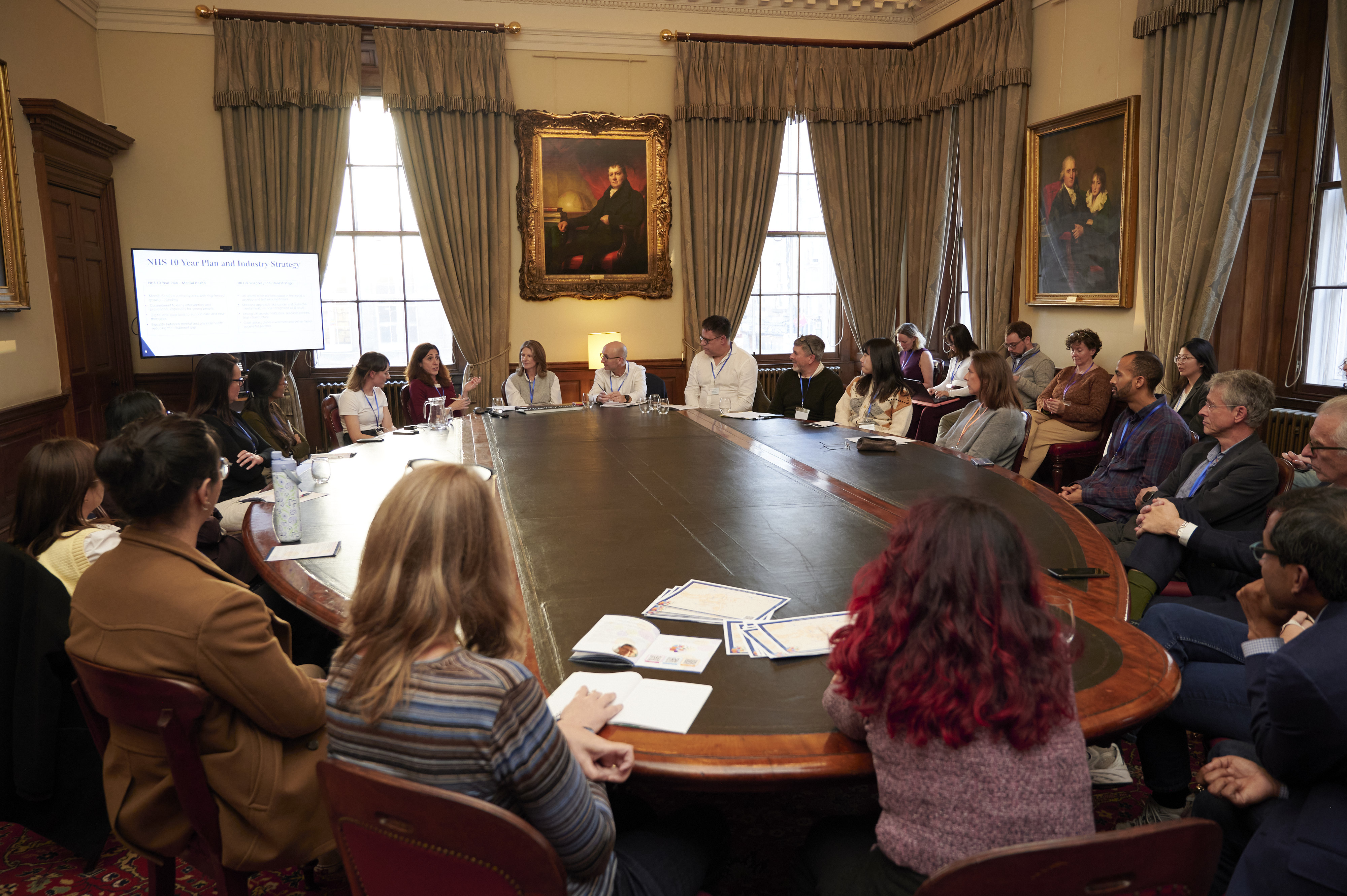
I was pleased to join the panel discussion on Artificial Intelligence and Severe Mental Illness Research, co-led by Joanne Kenney and Antonio Pardiñas from the Metabolic Psychiatry and Brain & Genomics Hubs. The session provided a valuable opportunity to share what Rethink has learned through engaging with people living with mental illness about the responsible use of emerging technologies such as AI, and the importance of meaningful involvement in research.
Our discussion explored how AI could be used across the Hubs, the safeguards needed to support its responsible use, and the role of lived experience in shaping its development and application. We began with a Mentimeter poll to gauge how attendees currently use AI and how they feel about it.
The word that emerged most strongly was "potential".
There is undoubtedly significant potential for AI to support mental health research. It could make research processes more efficient, reduce costs, and help researchers gain insights from large and complex datasets. However, realising these benefits requires careful consideration of the risks.
Key questions should be built into any project involving AI:
- Is AI the most appropriate tool for the task?
- How can people be kept safe?
- How can risks relating to bias, exclusion, and inequity be reduced?
- Who is accountable when things go wrong?
- How can sensitive information be protected?
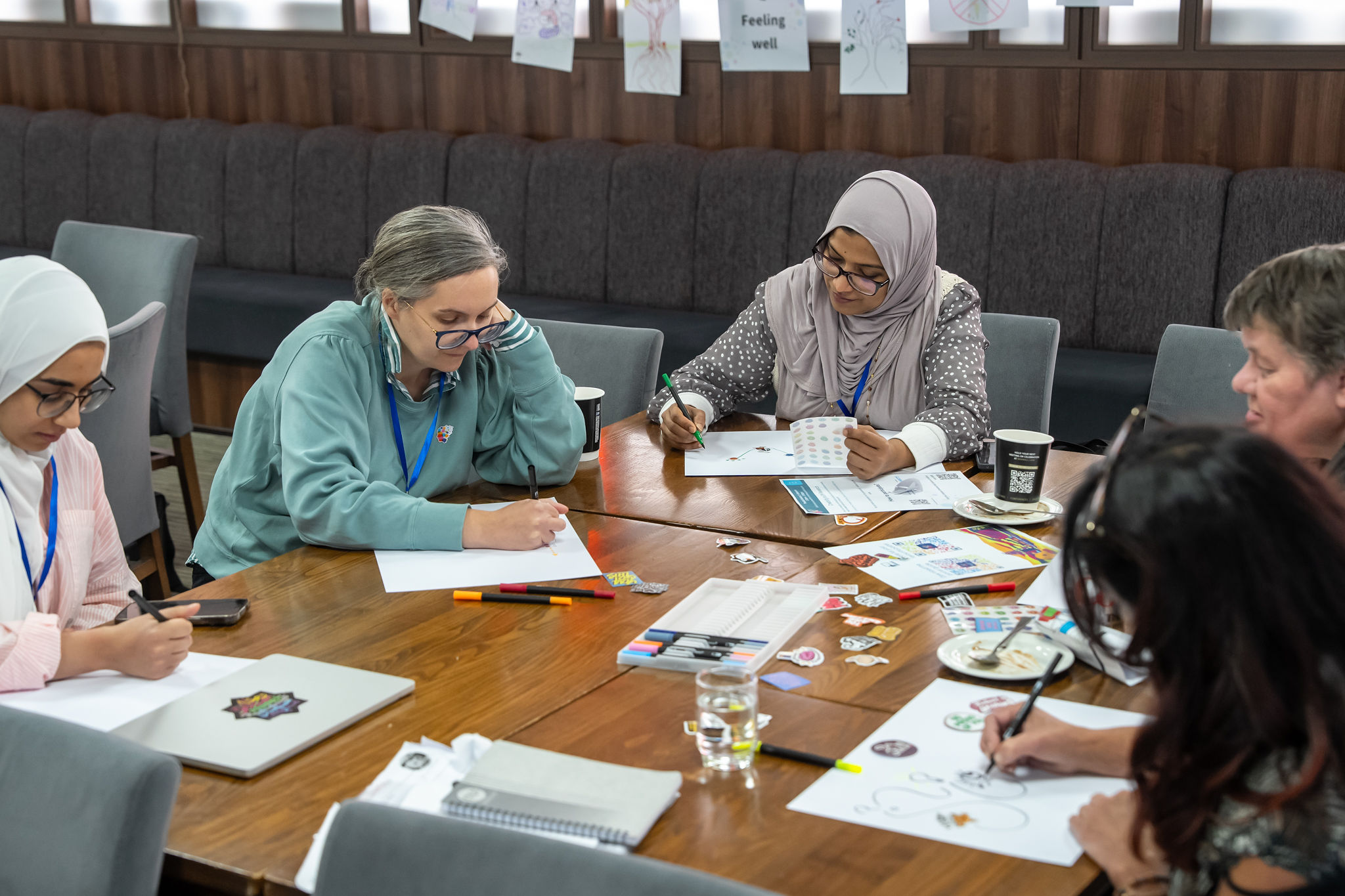
While the answers will vary depending on the project, one principle remains constant: people with lived experience must be involved throughout the process. Patient and Public Involvement and Engagement (PPIE) cannot be an afterthought.
Meaningful involvement helps identify potential risks, assess whether the use of AI is appropriate, and ensure that research ultimately benefits the people it is designed to serve.
As the Hubs continue to explore whether and how AI can support their work, there will be valuable opportunities to learn what works well, what could be improved, and how lived experience is shaping decision-making. This presents an exciting opportunity for the Platform to help set the standard for the responsible use of AI in mental health research. I look forward to continuing to work with the Platform and hearing the insights that emerge from this important work.
Published 30 October 2026
MHP Research Summit 2026 Visual Notes
Published 29 October 2026
Rethinking Artificial Intelligence: MHP Research Summit 2026
Rachel Hastings-Caplan is Policy Manager at Rethink Mental Illness, and shares her experience being a part of the MHP Research Summit 2026 in Sheffield.
Published 14 October 2026
Responsible industry–academic collaboration
Members of the Mental Health Platform have written a paper discussing the balance needed between regulation and engagement in order for the mental health research field to work with industry. Authors included researchers and people with lived experience.