
Author name:
Olivia Lucianno
Published 14 April 2026
How hormones impact effectiveness of medication

In a recent paper, MHP scientists from King’s College London have contributed to the work of untangling the impact hormones and age has on the effectiveness of antipsychotic drugs in women.
What does this study show?
Hormones and getting older are things that everyone experiences, and they affect our lives in many significant ways. A new way hormones and ageing may affect people with SMI has been reported in a recent paper. Researchers, including MHP members at King’s College London, have found a link between hormonal changes involved in menopause and more severe symptoms related to psychosis.
In this paper, researchers studied how two things influenced mental health: naturally decreasing oestrogen levels from menopause, and reduced oestrogen sensitivity from medication. This is particularly relevant for individuals taking antipsychotic medication with peri/menopausal status.
They found that during menopause, medications used to treat psychosis are not as effective. This was reflected in reports of more severe symptoms from individuals with peri/menopausal status who were taking antipsychotic drugs. From these results, it is clear that hormone status is essential to consider in treatment plans, especially involving medication.

How do hormones affect metabolism?
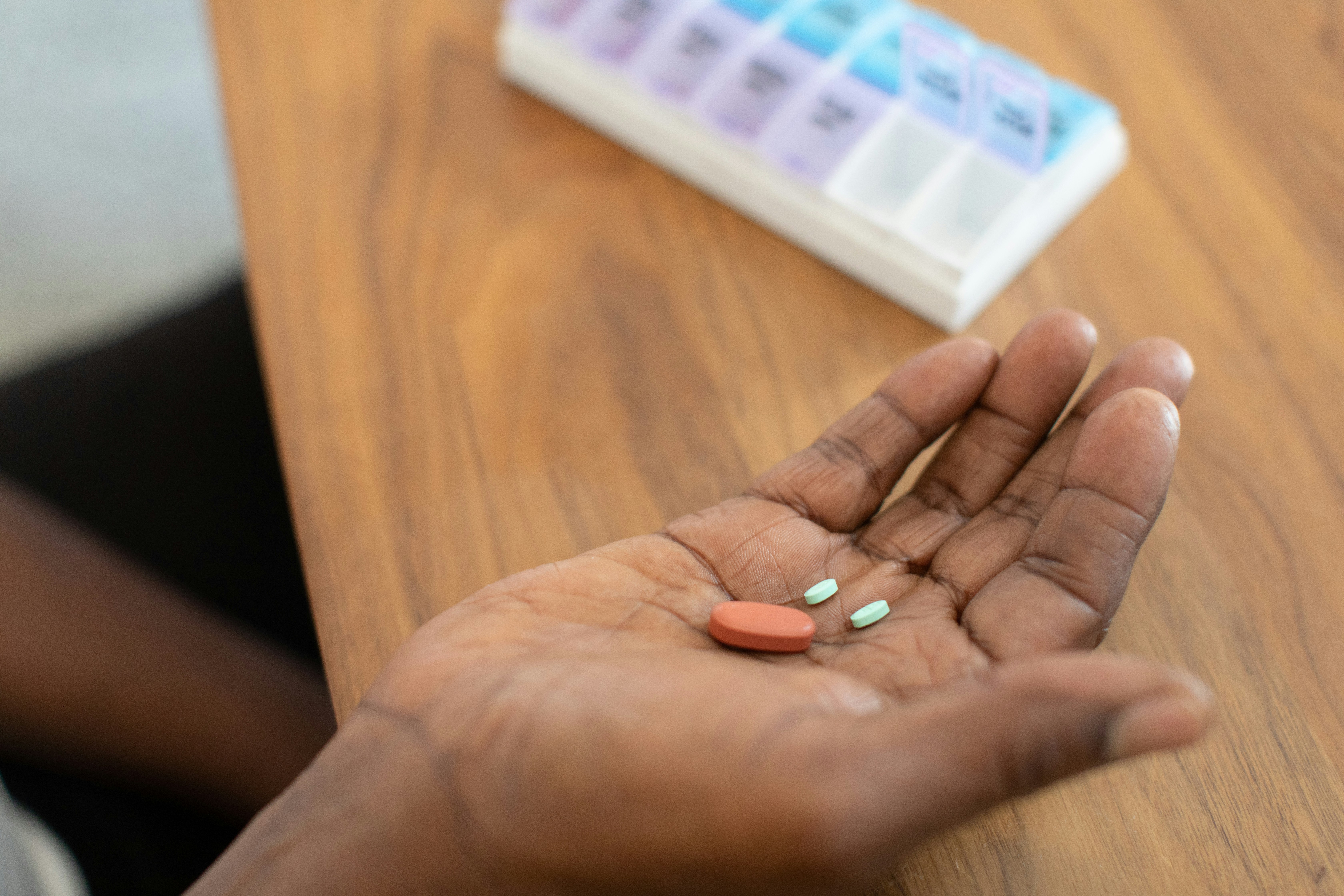
Hormones have many different functions, one of them being in the metabolism or breakdown of drugs. Hormones can speed up or slow down this process. As a result, the amount and frequency a drug may be prescribed for depends on relative hormone levels [1].
Sex hormones such as oestrogen have neuroprotective effects, and they impact how drugs are broken down. Because of this, large changes in hormone levels can have significant effects on how a medicine works. In fact, this effect goes both ways and medications can alter how hormones are sensed by the body as well. In the case of antipsychotic medications, these reduce the body’s sensitivity to oestrogen.
Changing hormone levels in menstruation and menopause create an entirely new layer of complexity for prescribed drugs. A single dose may not feel the same from one day to the next. This can have distressing effects for people that depend on these medications.
Up until recently, this topic has been largely understudied due to social, ethical, and technical limitations. However, great progress has been made in modern research to overcome these limitations.
How was this research done?
In this study, researchers decided to take another look at data collected in a 2017 study called the ‘IMPaCT Randomised Clinical Trial’. In the IMPaCT study, researchers were interested in how effective patient-tailored therapy would be compared to standard treatment. Results from before, 12 months after, and 15 months after treatment were recorded.
From this original study, researchers specifically focused on linking mental health status to age and medication use. A total of 174 female-sex participants aged 18-60 were included in this study. All had a formal diagnosis of psychotic disorder and were using medication to manage their symptoms, and information about gender was not reported. This group was further divided by age, with 65 women under the age of 40 and 109 above the age of 40. Because this age was used as an approximation for peri/menopausal status, participants on hormone replacement therapy were not included.
By analysing the data in this way, researchers were better able to see how anti-psychosis medication and peri/menopause, both linked to reduced oestrogen levels, leads to more severe symptoms of psychosis.
What does this mean for women with SMI?
This study underscores the need for integrating life-stage and hormone status into treatment plans for severe mental illness. This is a big leap forward for individuals experiencing major hormonal changes previously overlooked by medical professionals. Considering these changes may ensure all patients are better supported in managing their symptoms. This may ultimately lead to more positive outcomes in physical and social wellbeing.

Published 14 October 2026
Responsible industry–academic collaboration
Members of the Mental Health Platform have written a paper discussing the balance needed between regulation and engagement in order for the mental health research field to work with industry. Authors included researchers and people with lived experience.
Published 24 September 2026
Industry Forum November 2026
Friday 27th November, London. The Industry Alliance Forums are organised by DATAMIND and the UKRI Mental Health Platform. The events unite key partners to shape the future of mental healthcare.

Published 11 September 2026
Research focus: Reproductive Psychiatry
PPIE Network member Sadia Mir reflects on her discussion about the rise of research for women’s health with Dr Katie Marwick, who specialises in reproductive psychiatry across the life course.