
Author name:
Dr Fabiana Corsi-Zuelli
Published 16 June 2026
Meet our Cross-Hub Research Fellow Fabiana
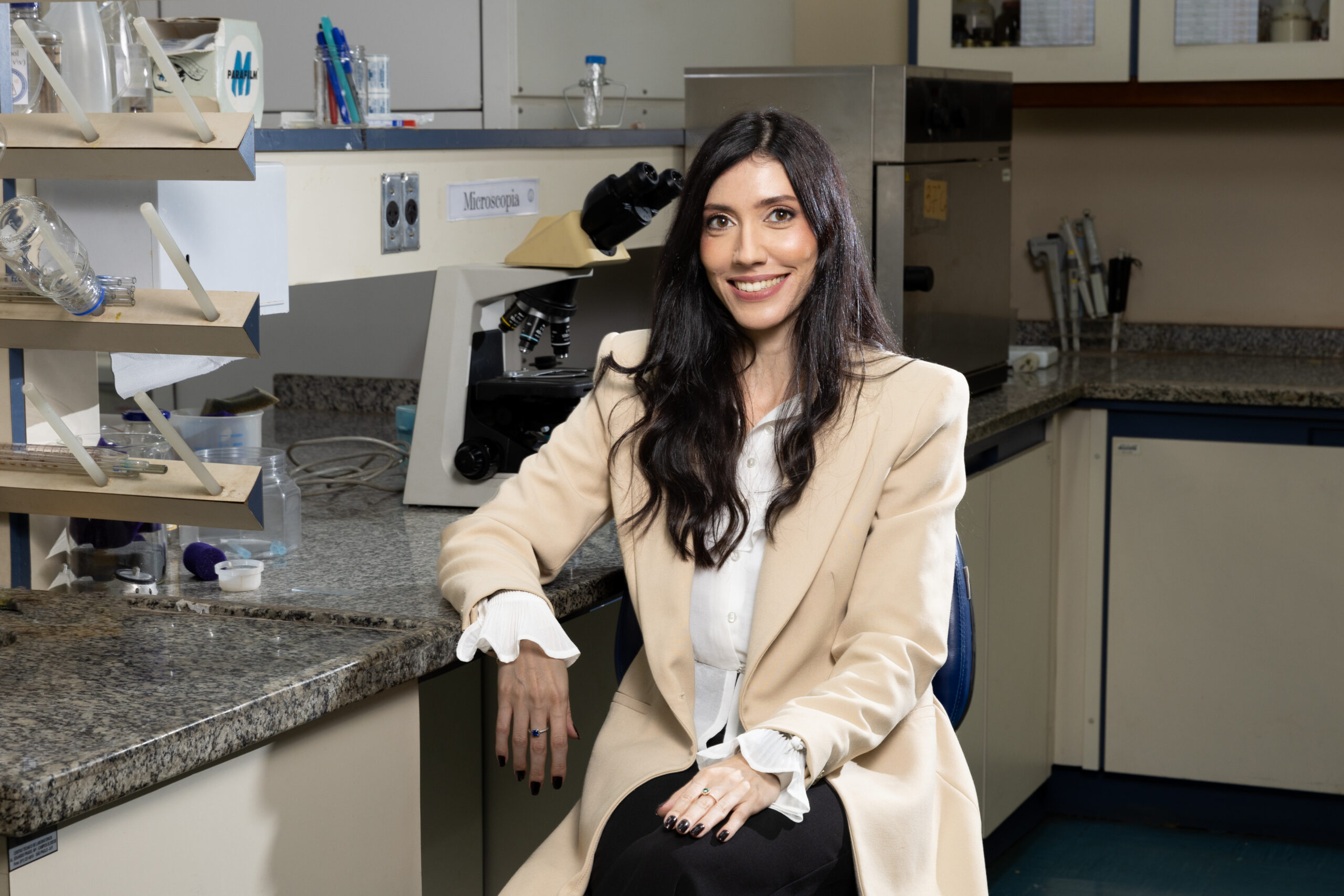
Dr Fabiana Corsi-Zuelli investigates how immune and metabolic mechanisms interact with social and environmental factors to shape psychosis risk, symptom dimensions, and physical health outcomes.
Fabiana is one of the recipients of the MHP Early Career Researcher Fellowship Awards, which aim to help develop future leaders in SMI research. Her project will bring together ImmunoMIND, Metabolic Psychiatry and Social Health Hubs. It’s called “Precision Immune-Metabolic Approaches in Psychosis: Bridging Genes and Immune Cells with Physical and Social Determinants of Health”. She tells us more about what this means.
Linking mental and physical health
For a long time, it was suggested that the immune system was simply overactive in psychosis. This was reflected by increased levels of circulating inflammatory proteins (“low-grade inflammation”) in people with psychosis. But, results from clinical trials testing antipsychotics in combination with broad anti-inflammatory drugs showed the addition of these drugs did not benefit symptoms.
Challenged by the negative results, my mentor and I proposed a different way of thinking about immune mechanisms in psychosis: not just “more inflammation” as proposed by the prevailing neuroinflammatory hypothesis in psychosis, but in fact, an impaired adaptive immune regulation that is more relevant than non-specific inflammation alone.

My research asks whether cell-specific immune dysregulation could be one of the pathways which links mental and physical health. I will study changes in the immune system to see if they contribute to symptoms of psychosis and poor physical health. I will also investigate the relationship between immune dysfunction and social factors such as environmental stressors.
This matters because psychosis is not only a brain disorder. Many people with psychosis also experience serious physical health problems, including type 2 diabetes, high cholesterol and cardiovascular disease.
What motivates me is the possibility of translating these mechanistic questions into more precise approaches to care. If we can use the immune system to identify subgroups or mechanisms, we may eventually be able to design better experimental medicine studies and more targeted interventions.
Investigating immune cells
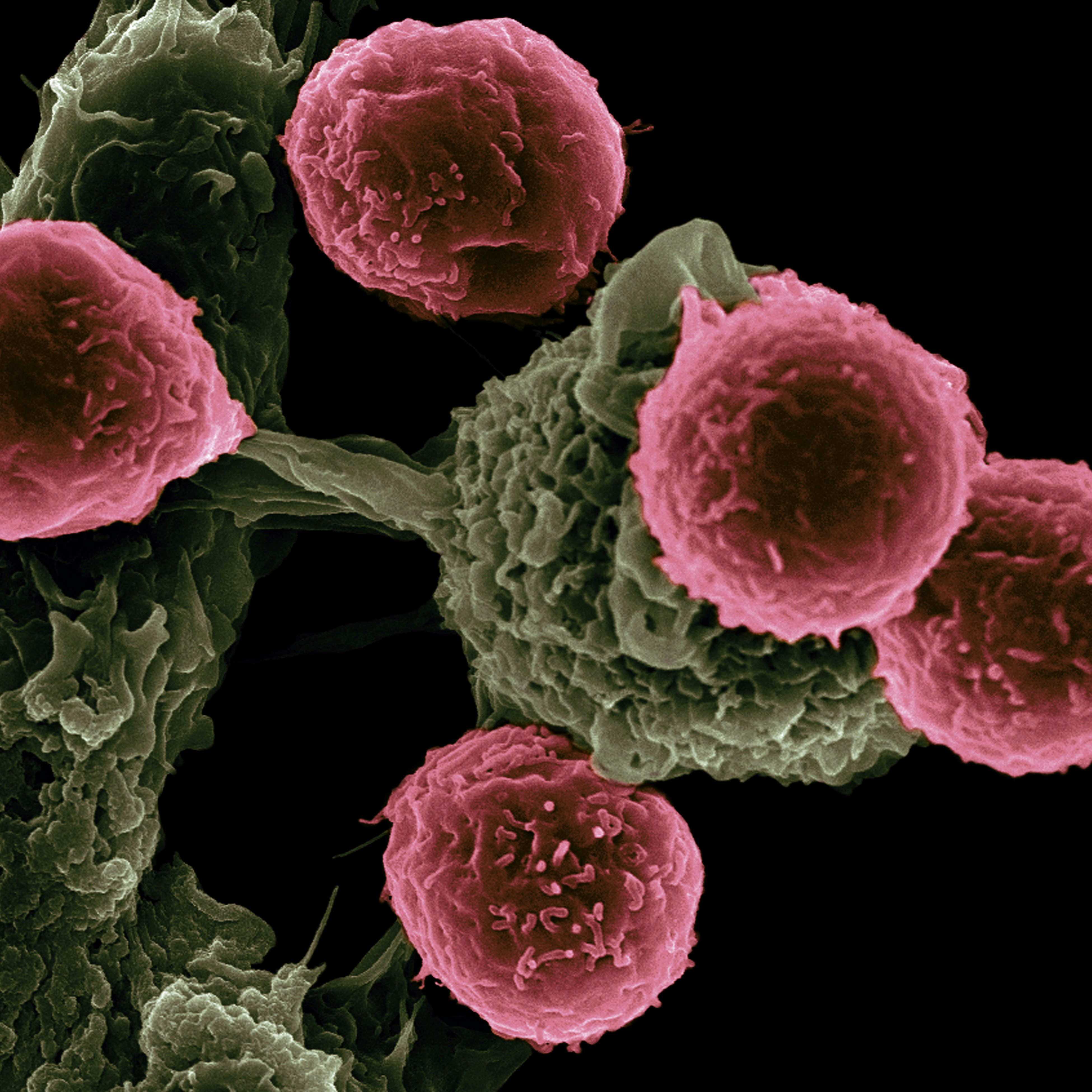
My work covers immune cells broadly, but my main focus is on an immune cell type called regulatory T cells, or T-regs.
T-regs are immune cells that act like the “brakes” of the immune system. They help prevent excessive inflammation and are also essential for maintaining healthy communication between the immune system and the brain. I am particularly interested in whether altered T-reg function is related to anhedonia, the reduced ability to feel pleasure, which is one of the most disabling symptoms for many people with psychosis and is poorly treated by current medications.
To address this, I use two complementary approaches.
First, I analyse large genetic datasets using causal inference methods to test whether immune-cell changes are likely to have causal effects on psychosis, symptoms and cardiometabolic outcomes while accounting for social factors.
Second, I analyse clinical cohorts of people in the early stages of psychosis, where we have detailed information on blood immune cells, symptoms, brain and body health, and adverse life experiences.
The long-term aim is to move from broad inflammatory markers towards more precise, cell-specific mechanisms that could eventually guide prevention, stratification and new treatment approaches.
Innovating through collaboration
No single method can answer the questions I am interested in. So, I collaborate with people who bring very different forms of expertise, and I think this is essential for a field like immunopsychiatry.
Genetic methods can help separate cause from correlation, but they need to be interpreted alongside cellular immunology, clinical data, biological plausibility and patient priorities. Each have strengths and limitations. The most convincing findings are often those that converge across methods.
My approach is to be ambitious, but precise. Immunopsychiatry has enormous potential, but its future depends on careful phenotyping, transparent methods, replication across datasets, and humility about what each analysis can and cannot tell us.
Framing the science with PWLE
Patient and Public Involvement and Engagement (PPIE) is central to my work. My project was co-developed with people with lived experience and their input helped shape the focus on anhedonia, the reduced pleasure in psychosis. It reminded me that biological mechanisms need to be understood alongside personal experiences and environmental factors.
I would recommend building PPIE into the research from the beginning, not only at the dissemination stage. It changed the way I framed the science.
I will continue this work through meetings, accessible updates and co-produced visual materials to make complex science meaningful and useful beyond academia.
Diversity is essential
Through my involvement in the Latin America Genomics Consortium and PNIRS Ibero-America, I am committed to strengthening representation of Latin American and other underrepresented populations in immunopsychiatry and psychiatric genomics. These areas remain strongly shaped by European and North American datasets, which limits generalisability and risks leaving important biology underexplored.
This is not only an equity issue; it is also essential for better science. More diverse cohorts can help us understand which findings are broadly generalisable and which are shaped by ancestry, environment, health systems and social context. My ongoing international collaborations are part of this effort to broaden immunopsychiatry beyond a narrow set of populations.
Implications of my research
The immediate implication is scientific: to clarify whether immune-regulatory mechanisms, particularly T-reg-related pathways, are likely to play a causal role in psychosis, anhedonia and cardiometabolic comorbidity. If these mechanisms are supported, they could help prioritise immune-cell features and molecular pathways for deeper experimental study.
The broader implication is therapeutic. Current treatments do not adequately address anhedonia and other negative symptoms. If immune-regulatory pathways are shown to be relevant, they could guide future experimental medicine studies using validated biomarkers.

However, I think it is important to be cautious: this work is not about claiming that one immune cell or one drug will explain psychosis. Rather, it is about building a rigorous framework to identify which immune mechanisms matter, in whom, and under what conditions.
I hope this work will contribute to a shift in psychiatry from symptom-based categories alone towards biologically informed mechanisms that can be tested, replicated and eventually translated into better care.




Published 11 September 2026
Research focus: Reproductive Psychiatry
PPIE Network member Sadia Mir reflects on her discussion about the rise of research for women’s health with Dr Katie Marwick, who specialises in reproductive psychiatry across the life course.
Published 26 August 2026
Drug for rheumatoid arthritis may reduce risk of psychosis
Dr Fabiana Corsi-Zuelli, MHP ECR Fellow, has published a paper showing potential for an existing drug, already in use as a treatment for rheumatoid arthritis, to be repurposed for psychosis prevention.

Published 24 August 2026
Creative Connections 2026
On 2 September 2026, MHP delivered the Creative Connections Workshop online in partnership with the Economic and Social Research Council (ESRC) and the Arts and Humanities Research Council (AHRC).