
6 Skills Early Career Researchers benefit from building

In the early stages of a scientific career, Early career researchers (ECRs) often face a common challenge: developing the technical and collaborative skills needed to work with increasingly complex research data.
As data is generated for specific research questions, it is also often made publicly available on platforms like DATAMIND. This means other researchers have the opportunity to investigate new questions with the same data. But, knowing how to approach this task requires training and practice.
Here are six key skills which ECRs in mental health research might find useful as they develop their careers.
1 . Working with Complex Research Data
Modern mental health research increasingly relies on large and complex datasets.
Using these datasets offers opportunities for researchers to explore new types of data and understand how they can be used to investigate mental health questions, even if they are coming from a different disciplinary background.
Familiarisation with complex datasets can take time to build confidence, but it can add a new dimension to existing research, or generate new research questions.
2 . Learning Practical Data Analysis Techniques
Rather than focusing purely on theory, getting hands-on practical experience can be incredibly useful – learn by doing!
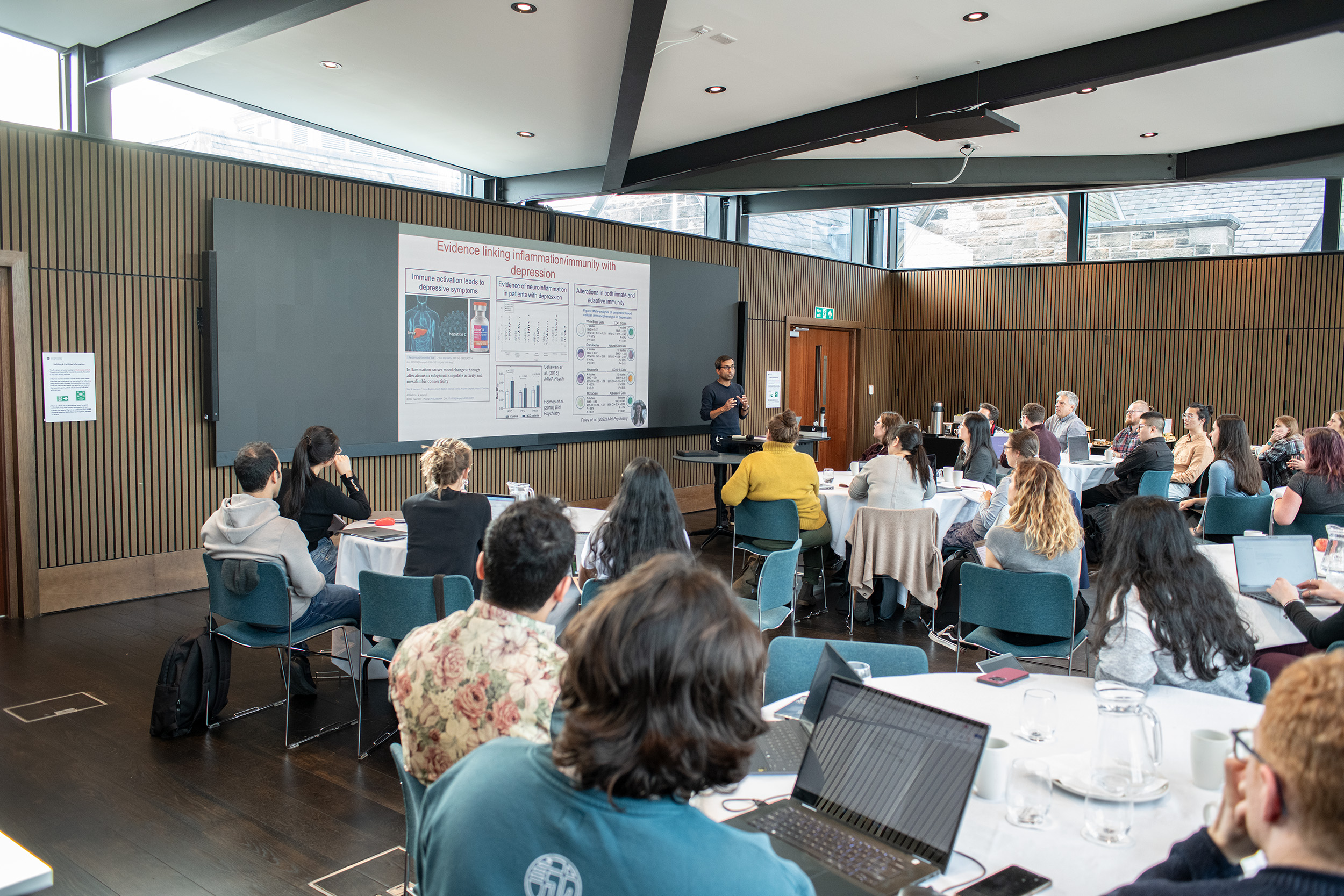
Specialised sessions that walk participants through real analytical approaches help researchers gain experience with methods they can later apply in their own projects. Events like workshops can be a great way to practice with tried-and-tested datasets and build this skill, before applying it to your research.
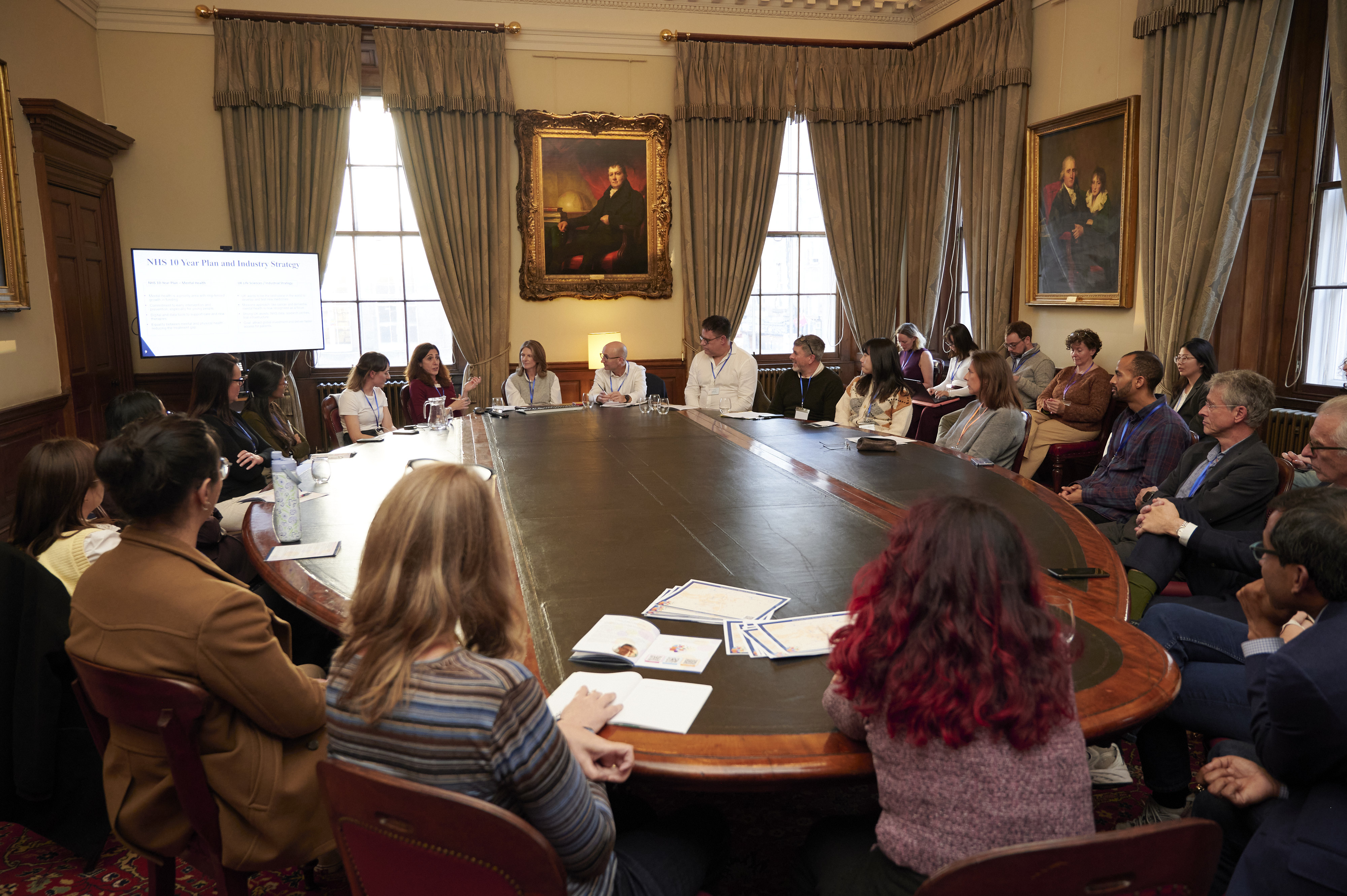
In October 2025, DATAMIND , MQ & MHP hosted an in-person ECR meeting focused on data analysis. One ECR said:
The hands-on practicals allow you really to get stuck into the data, which is something I think all researchers enjoy.
3. Using Code as a Research Tool
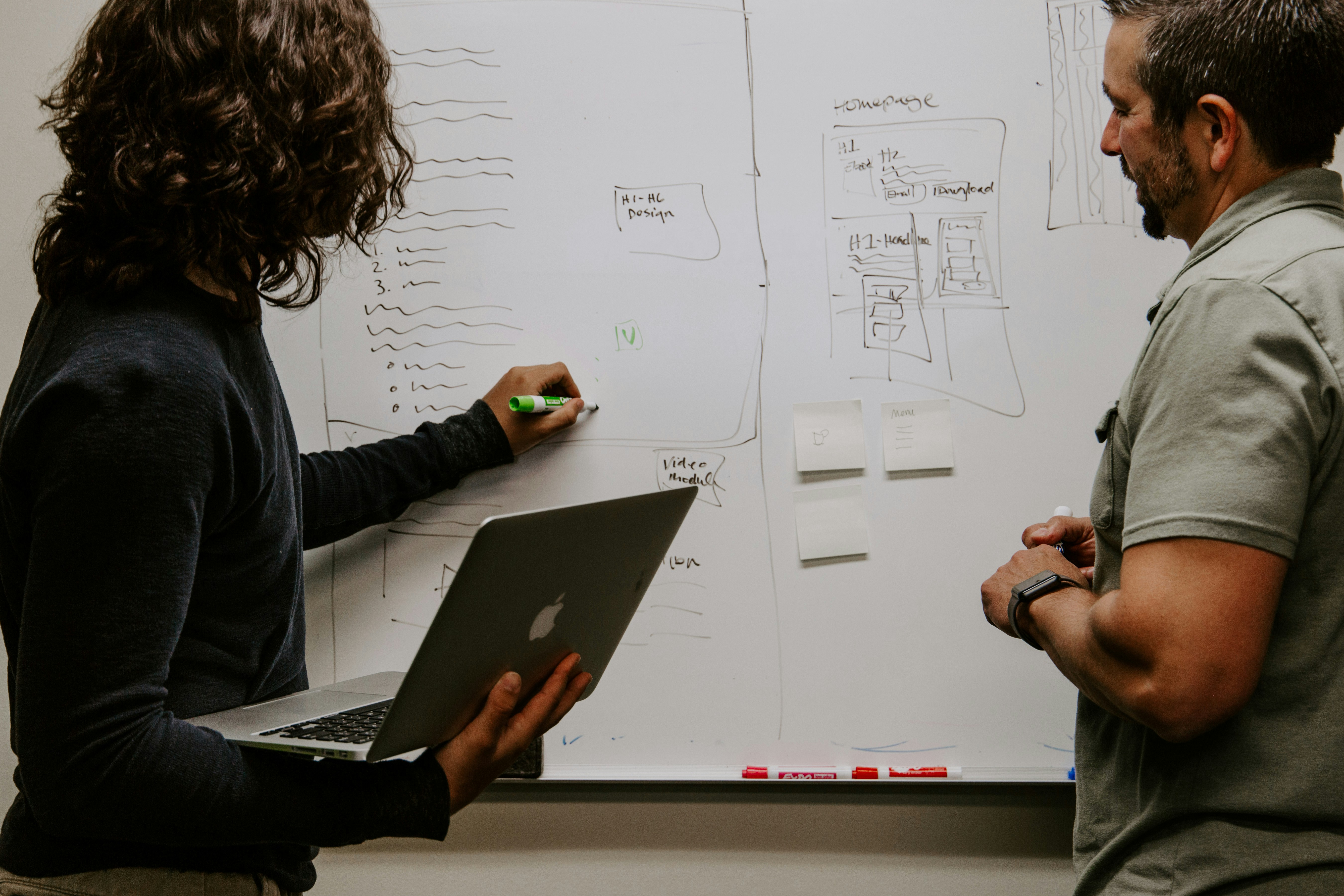
Coding used to be a specialist skill for a niche area of data analysis. With complex datasets across the field of mental health research, having even a basic understanding of coding language can have an impact regardless of discipline. Being able to code, or edit an existing code, has the potential to enhance – or even simply speed up – any type of analysis.
It makes it easier to experiment, adapt methods, and integrate new approaches into research workflows, so if coding isn’t already part of the research, it’s worth investigating where it could be worked in.

4. Thinking Across Multiple Sources
Mental health research increasingly involves combining insights from different types of data and disciplines. It can be a challenge to think about how different datasets – such as biological, clinical, or behavioural data – can be integrated with each other, but it strengthens research questions and findings. Attending talks from and speaking to researchers from across disciplines can help to understand the wider research landscape, and how one project fits alongside another. Even when time is tight for generating new data, hearing about other ongoing work can spark new collaborative ideas and results.
In October 2025, DATAMIND , MQ & MHP hosted an in-person ECR meeting focused on data analysis. One ECR said:
It was quite striking how much everyone was enjoying the workshop and how much everyone seemed interested to learn and the kinds of questions they were asking.

5. Learning from Experts
Learning directly from other researchers who are developing and applying new methods is a tricky skill to master, as it requires finding opportunities to approach the experts. They could be other members of the research group, or from a broader network – like the MHP.
The MHP is committed to supporting the next generation of mental health researchers, and should help make complex techniques more accessible. ECRs can connect with experts across the MHP using internal channels, or at in-person events.
6. Building Collaborative Research Networks
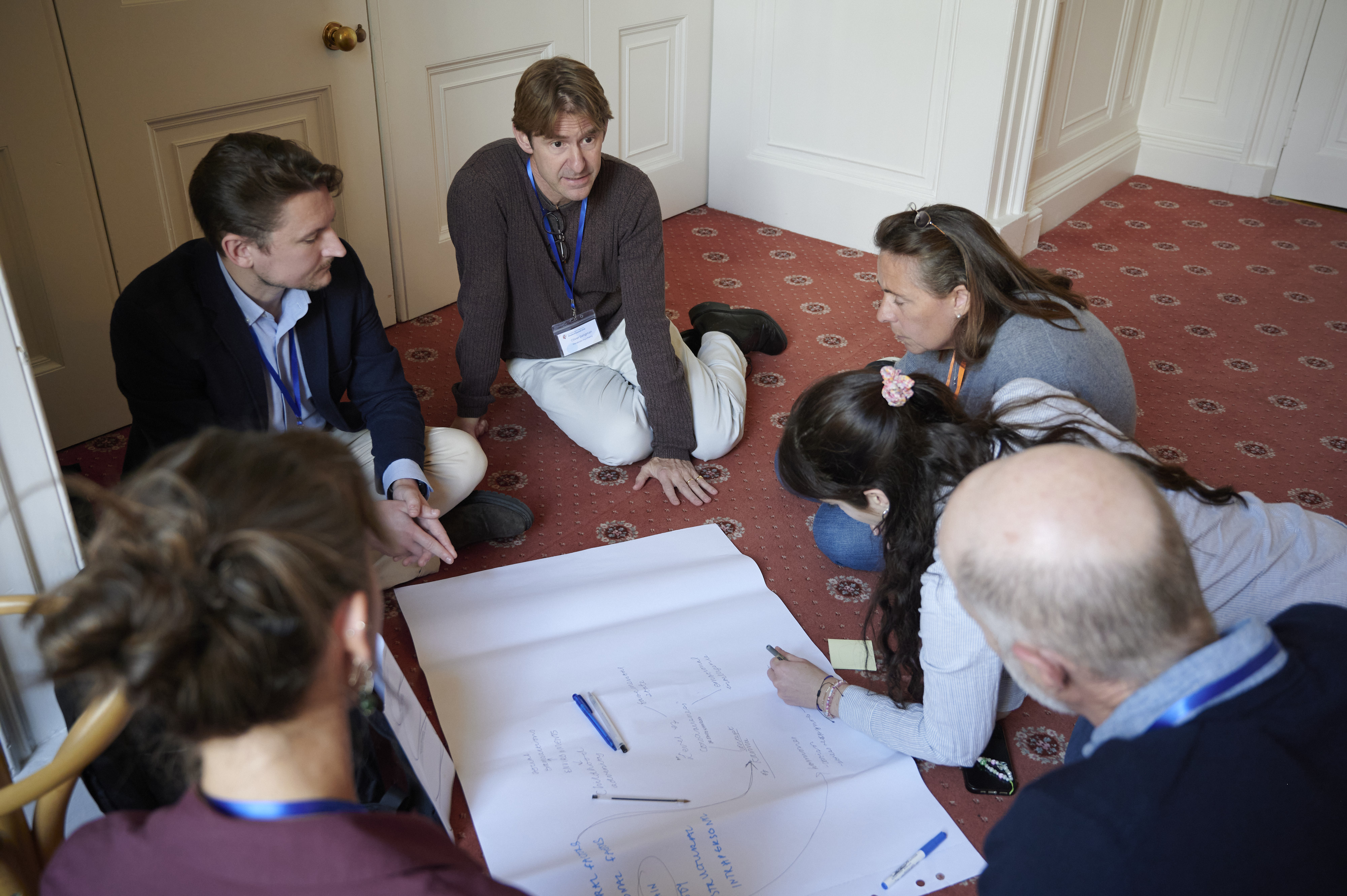
Just as valuable as the technical training is connecting with other ECRs, hearing how peers from other fields approach similar problems. It’s also a chance to talk about any shared challenges and problem solve together – data-related or otherwise!
Workshops create space to share ideas, discuss challenges, and build connections that can lead to future collaborations.
Hear from researchers who attended a workshop
In this video made by our partners MQ Mental Health, participants shared how they found the experience of working through real data challenges together while learning from experts and peers at a workshop run by the DATAMIND UK and MQ in partnership with MHP
These workshops are designed to help address some of these key skills, bringing together researchers from across disciplines to explore new methods, work with real datasets, and learn directly from experts.
While each workshop focuses on a different research topic, participants consistently highlight a number of valuable skills they gain along the way.
Learn more about MQ

This blog has been a collaboration between DATAMIND & MHP, with thanks to MQ for the video.
Responsible industry–academic collaboration
Industry Forum November 2026
