
Author name:
Dr Justin Yang (he/him)
Institution name: University College of London
Published 21 January 2026
Meet Cross-Hub Research Fellow Justin
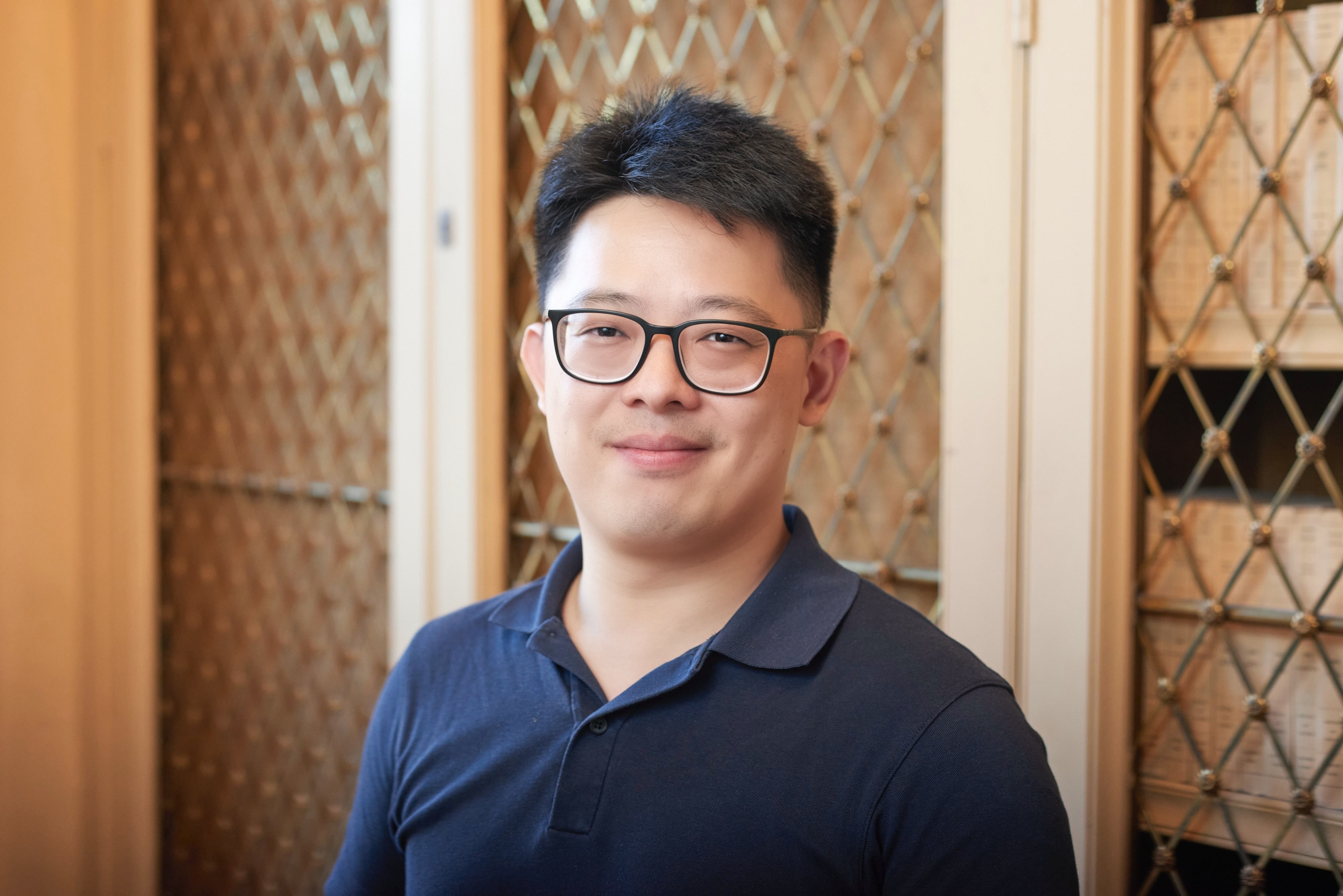
Dr Justin Yang is a psychiatric epidemiologist and health data scientist specialising in data-driven approaches to mental health research.
Justin is one of the first recipients of the MHP Early Career Researcher Fellowship Awards, which aim to help develop future leaders in SMI research. His project will look at “socioemotional drivers”, the feelings, relationships, values, and social needs which motivate how people think, make decisions, and behave. It will bring together Complex Emotions, DATAMIND, and Social Health. He tells us more about his work, hopes for the project and offers thoughts on developing as a researcher.
Socioemotional Context
In my research, I want to understand how socioemotional drivers shape the course of mental illness. This includes emotions, relationships, and lived environment. I believe this understanding might inform more supportive and responsive care.
My project is called Working collaboratively to Investigate the Socioemotional Drivers Of Severe and Enduring Mental Illness (WISDOM). It centres personal experiences that many of us recognise in our own lives, yet which are not always examined closely in mental health research.
The goal of the project is to contribute to a more holistic, whole-person understanding of severe and enduring mental illness. By drawing on linked data across multiple sources, I want to generate new insights that complement what we already know, and continue to discover in areas such as genomics, pharmacology, and systems biology.
Partnership, not Participation
Severe mental illness can profoundly shape how people think, feel, and relate to others. Experiences such as loneliness, emotional distress, and the strain of navigating difficult social environments can influence how people become unwell, how they experience care, and how they recover over time.
Engaging with people with lived experience is the foundation of my project. From shaping research questions to interpreting findings and sharing results, lived experience collaborators are integral to the work. I am deeply motivated to operate at the intersection of lived experience, data science, and mental health research, with the aim of improving how people experience living with mental illness and engaging with services.
Learning through Collaboration
Never be the brightest person in the room; then you can’t learn anything.
– James Watson
Working alongside others is central to how I approach research. I feel very fortunate to work in research environments where I am constantly surrounded by people who know more than I do in different ways. It can be humbling to recognise how much there is still to learn, but I see that as one of the great privileges of being a scientist and a researcher. There are always new perspectives to encounter, new questions to ask, and new ways of thinking to develop.
Having previously worked in the private sector as a strategy consultant in health, I am also interested in the role that industry partners might play in the Mental Health Platform. Researchers and scientists in industry are often engaged in world-leading innovation, and thoughtful, ethically grounded collaboration has the potential to accelerate progress in understanding severe and enduring mental illnesses.
Growing as a researcher
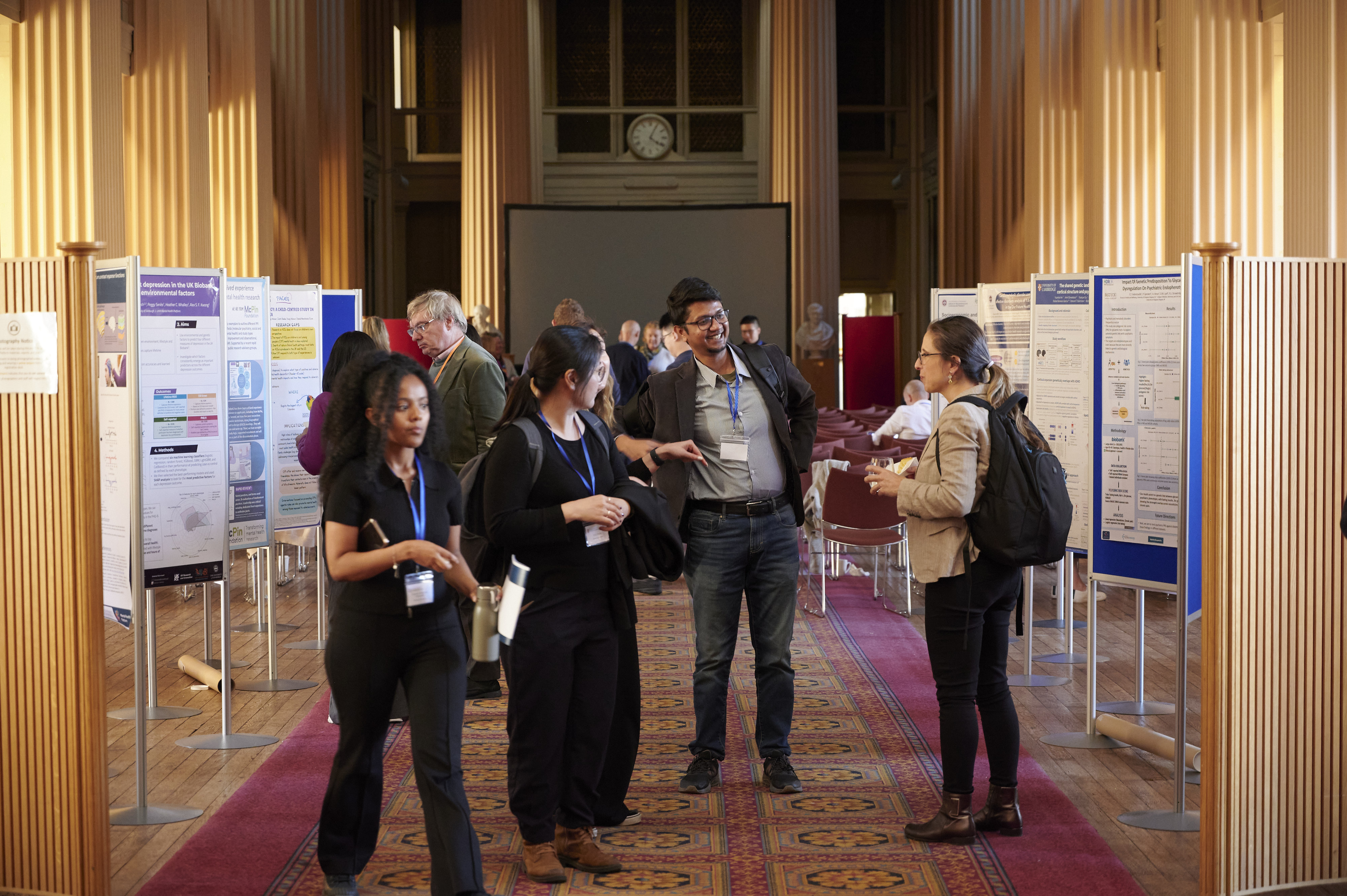
One of the most effective ways to learn, stay current, and improve the quality of your work is to join research communities. Communities exist for almost every methodology, topic, and approach, and engaging with these networks is. These spaces are where ideas are tested, assumptions are challenged, and methods evolve.
For example, the UK Healthcare Text Analytics Network hosts an annual conference that brings together international experts while also creating space for early career researchers to share emerging ideas. Opportunities like this are invaluable, not only for technical learning, but for developing the habit of intellectual exchange.
More broadly, I think methodological humility is essential when working with complex data about human experience. By this I mean being open about uncertainty, learning from adjacent disciplines, and taking the time to understand perspectives beyond your own can make your research both more rigorous and more meaningful.
More about me
Outside of work, I enjoy reading, theatre, and cinema. I have always been drawn to storytelling and narrative, particularly work that allows me to step into the lives of others and to understand experiences, emotions, and memories different from my own.
There is something powerful about encountering a line of text, a piece of dialogue, or a moment on stage or screen that captures a feeling with precision and honesty. Those moments can linger for days, months, or even years. If we get the chance to meet, I am always happy to exchange recommendations!



Read more about Complex Emotions, DATAMIND and Social Health.

Published 17 July 2026
Setting priorities for SMI research
The Metabolic Psychiatry Hub published a paper in July 2026 about their “Priority Setting Partnership” project, which identifies research questions in a collaborative way.

Published 16 July 2026
Meeting of minds: Industry in conversation
Following the Industry Alliance Health and Wellbeing Forum in May 2026, two lived experience experts and two representatives from industry and research met to discuss key topics raised.
Published 17 June 2026
Uniting industry and academia: Medicines Discovery Catapult
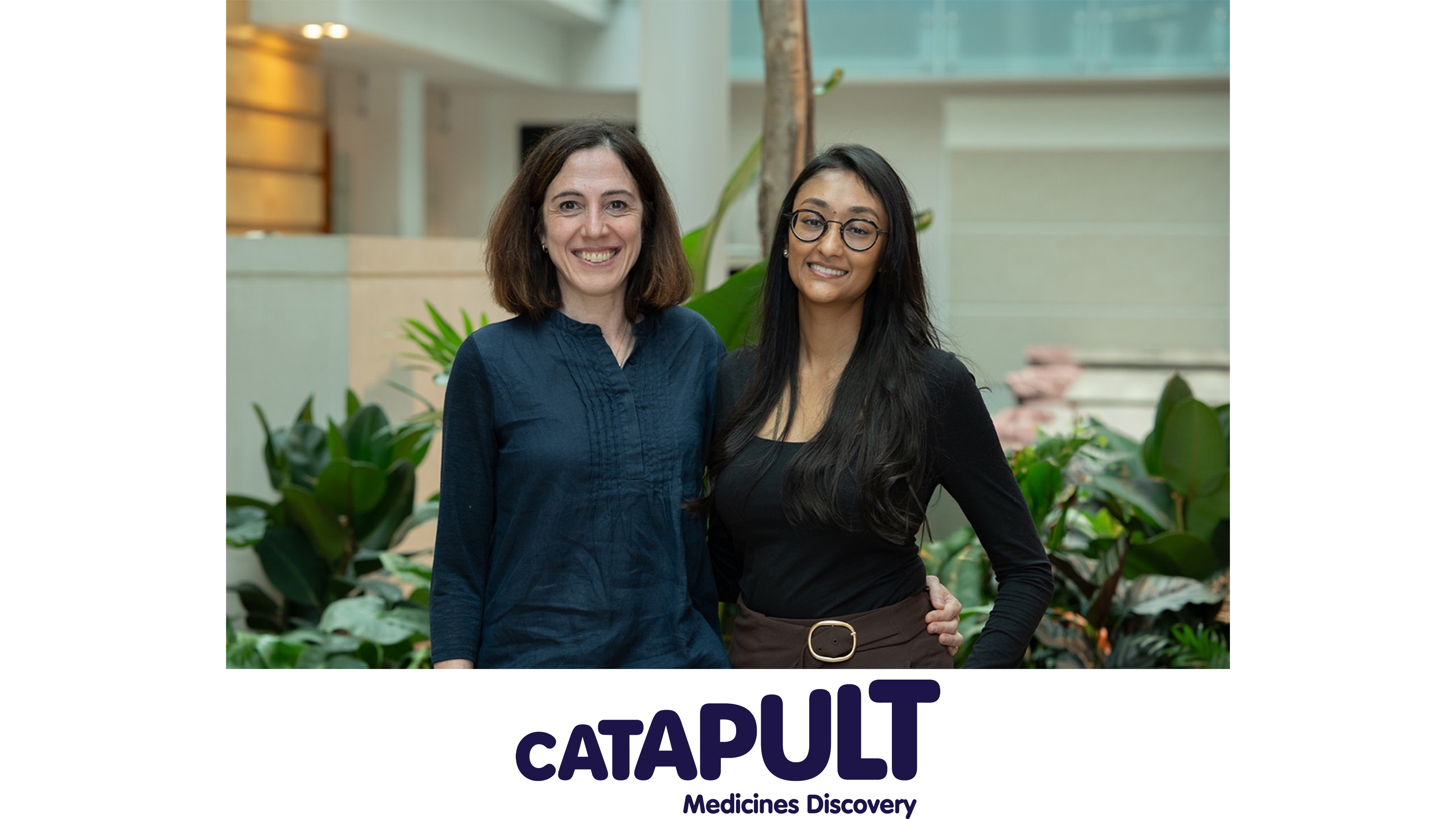
Medicines Discovery Catapult (MDC) is a Life Sciences service that reshapes drug discovery to deliver better treatments for patients, and support our Industry Alliance. Sara Imariso and Ekta Patel from MDC tell us more.