
MHP 2025 in Review

2025 was the first full calendar year of the UKRI Mental Health Platform. The six Hubs forged ahead with bold new research that deepens our understanding of severe mental illness and seeks to improve the diagnosis and treatment of those affected.
Whether you’re a Hub Lead, researcher, PPIE group member, project manager, or one of the many other roles: congratulations for your hard work and collaboration and thank you for being a member of the Mental Health Platform in what has been a busy and fruitful year.
There are so many achievements by each individual Hub as they progress in all aspects of their research, but below are a few highlights of collaborative work.
Early Career Researcher = ECR; People with lived experience = PWLE; Patient and Public Involvement & Engagement = PPIE; severe mental illness = SMI
Connecting researchers
Early Career Researchers applied for the MHP ECR Fellowship Awards, which gives funding for innovative projects in severe mental illness (SMI) research connecting the Hubs. Researchers worked together to support ECRs in their applications, and successful applicants will work across Hubs for the next few years, drawing on expertise from different aspects of the research happening within the Platform.
We welcomed our first Fellow, Dr. Annie Jeffery, in October. Her research will bring together DATAMIND, Metabolic Psychiatry and Social Health. You can read more about Annie’s project on treatment-resistant depression on her blog.
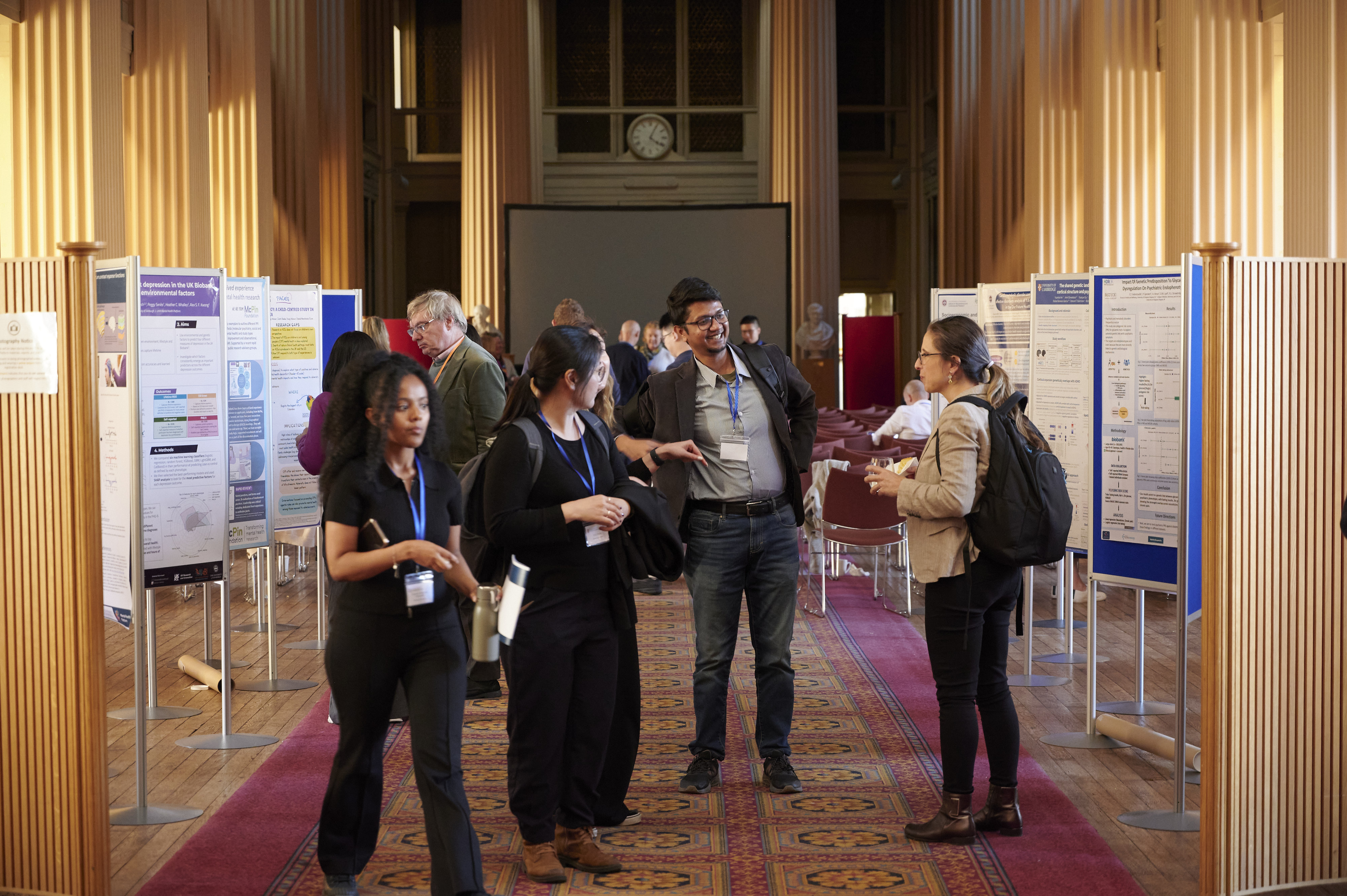
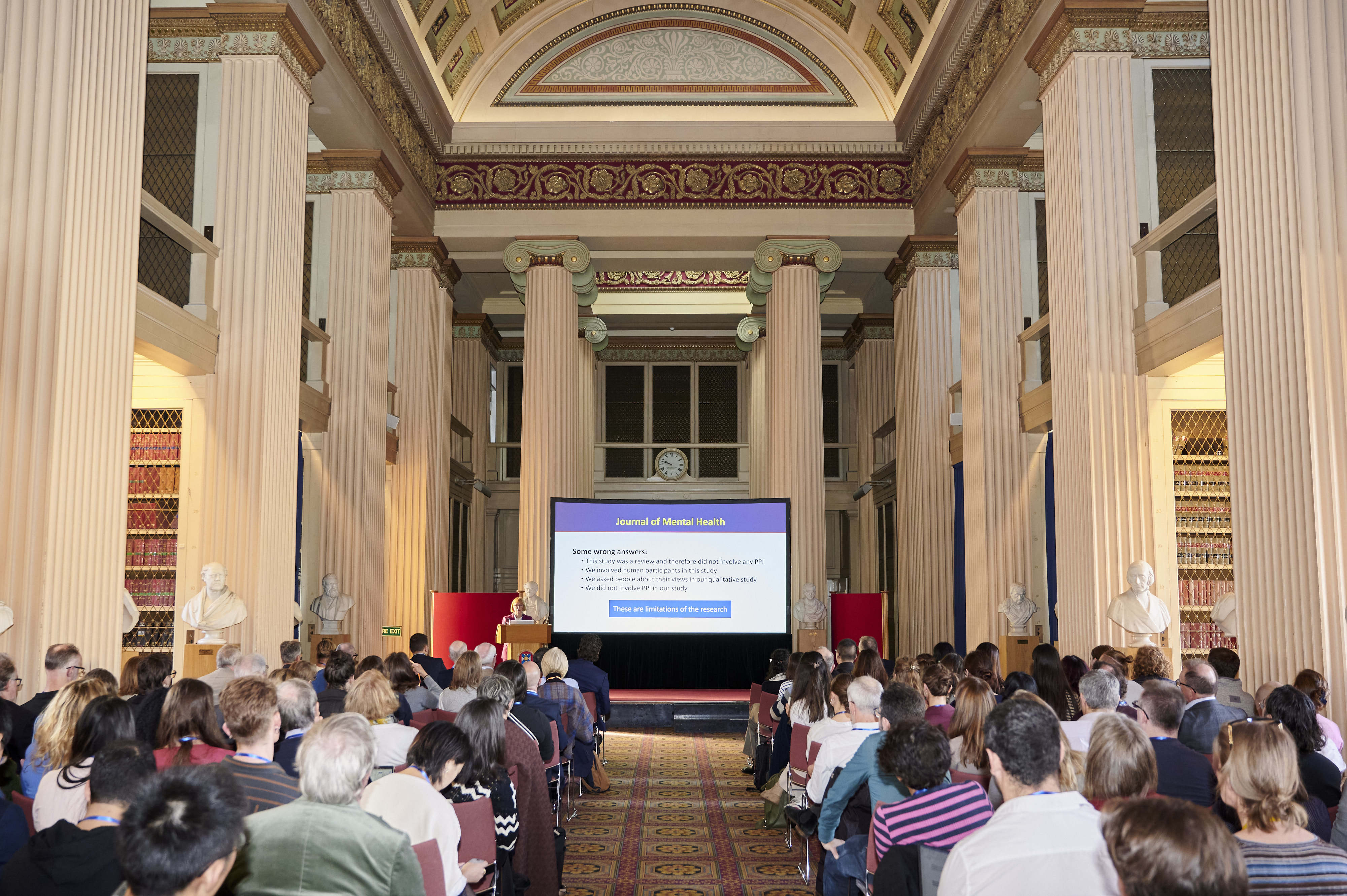
On World Mental Health Day, there was the inaugural MHP Research Summit in partnership with MQ in Edinburgh. The event brought together over 150 researchers, healthcare professionals and people with lived experience for talks, posters and workshops. There was representation from across the six Hubs, as well as other institutions.

Carina, a lived experience attendee, created the below mind map to show the variety of the programme.
Championing the voices of people with lived experience
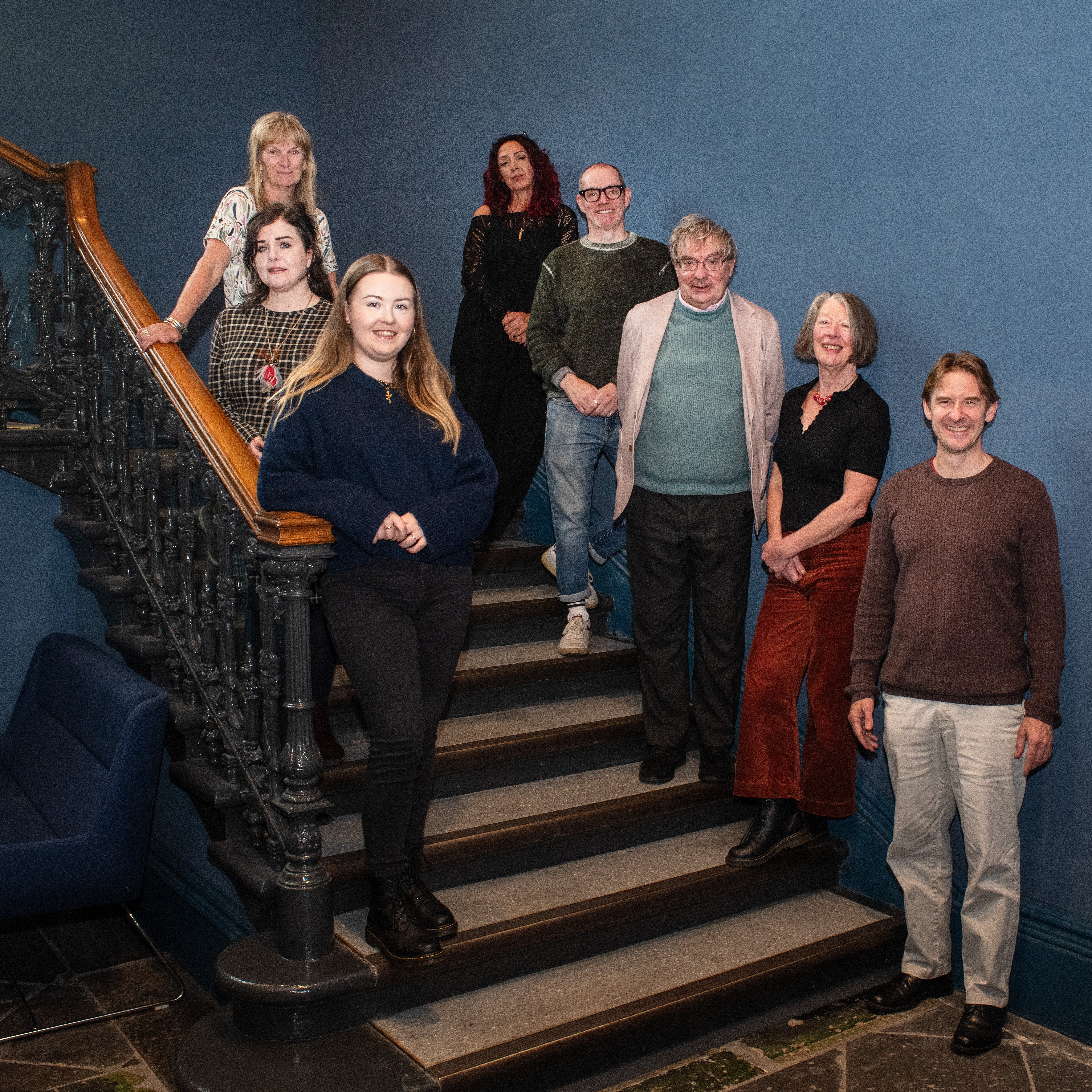
People with lived experience from across the six Hubs came together throughout the course of 2025 as part of the Patient and Public Involvement and Engagement (PPIE) Steering Group. There's two members from each Hub who attend each meeting, and it's a connection between PPIE groups which continues to strengthen.
With the support and guidance of our PPIE Steering Group, the MHP developed and launched the PPIE Awards. This is an opportunity for current members of MHP with lived experience of SMI to develop and lead a funded research project. The projects must connect at least two of the MHP Hubs.
You can read more about their work in PPIE Coordinator Susannah’s blog:
The Group’s objective is to monitor how lived experience is influencing and shaping the work of the Hubs and the platform as a whole.
Developing new ways to engage
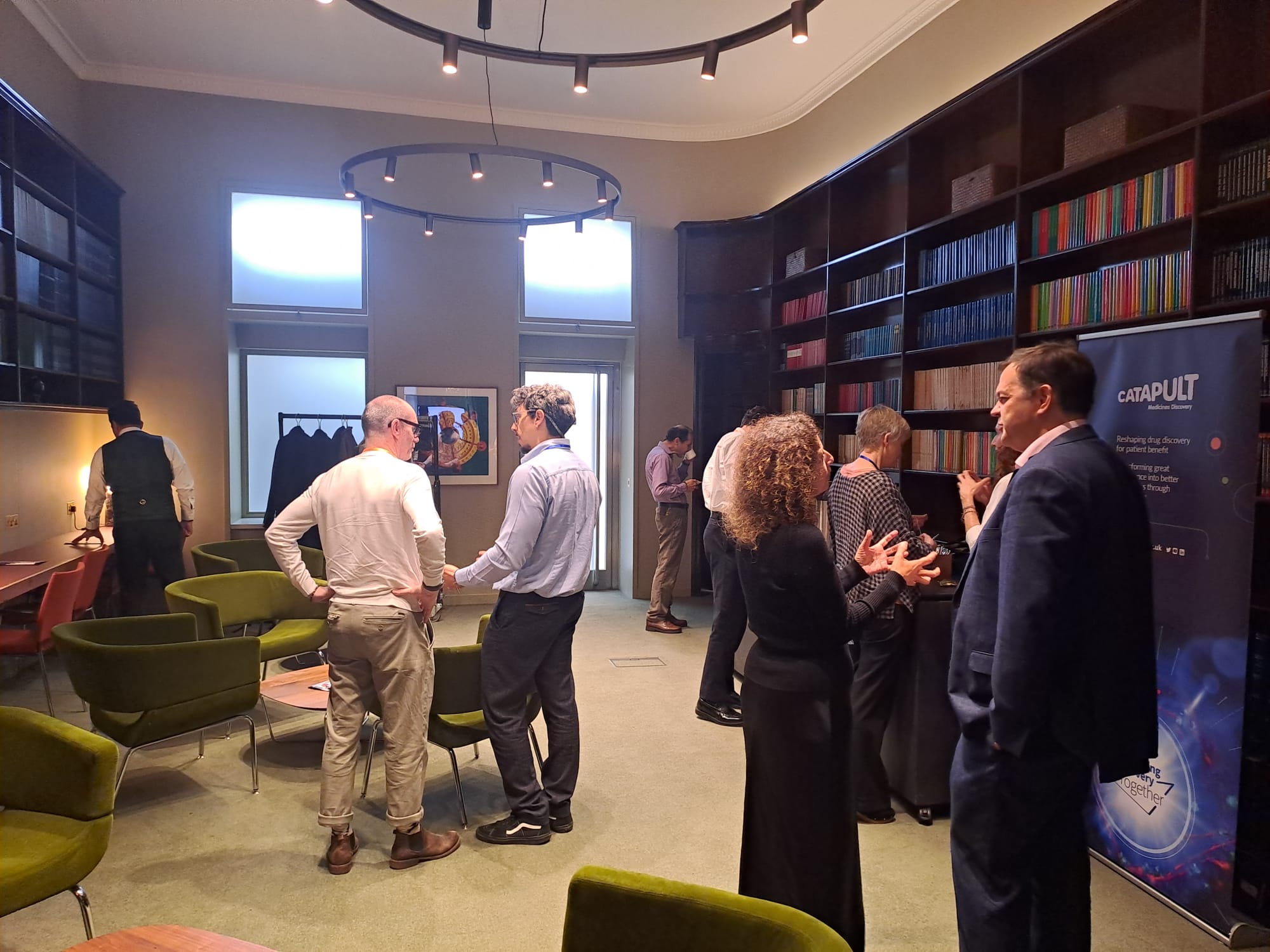
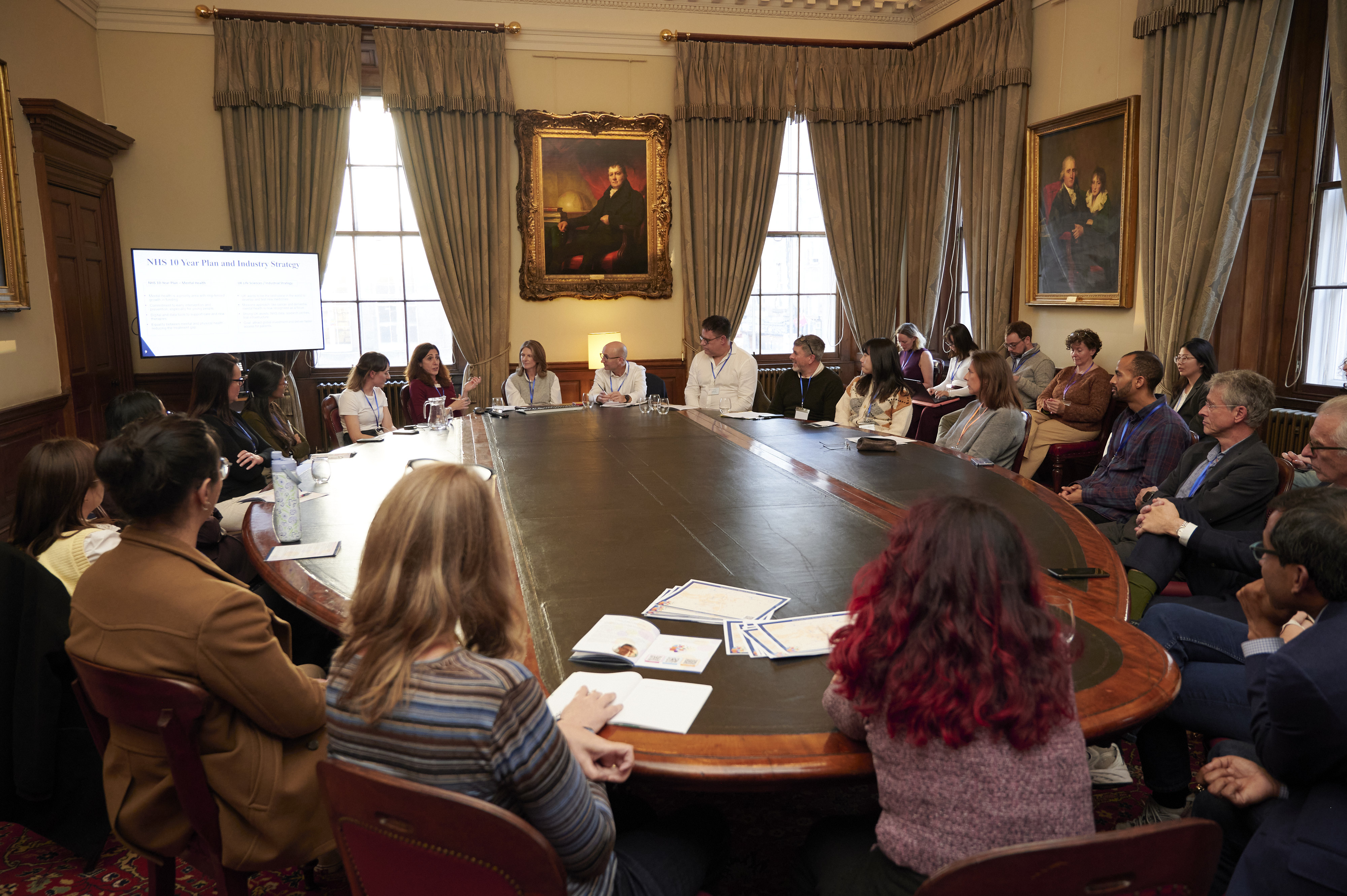
This year, MHP and DATAMIND co-led two in-person events, bringing together the Industry Alliance with researchers and people with lived experience from across the MHP. These events will continue, with all Hubs involved in the process and researchers attending in person the most relevant Forums to their research.
The first Industry Forum in May was focused on Pharma and BioTech, and featured presentations from researchers and people with lived experience from ImmunoMIND and DATAMIND. You can read blogs from a lived experience and a researcher perspective on this event.
The second Industry Forum in November was focused on Artificial Intelligence for Complex Health Datasets, and featured presentations from researchers and people with lived experience from Metabolic Psychiatry and DATAMIND.
What's next?
In 2026 you can expect to see more from Hub researchers, particularly sharing research findings as they happen. There will also be more events bringing people together to kick-start new collaborations.
Andrew McIntosh, Director of the MHP says:
It’s inspiring to see how far the UKRI Mental Health Platform has come, thanks to everyone pulling together. Our shared vision has grown into a collaborative and vibrant community that is delivering new insights and impacts for people with mental illness. As we look ahead to 2026, I couldn’t be prouder of what we’ve achieved, and optimistic for all that is still to come.
Responsible industry–academic collaboration
Industry Forum November 2026
